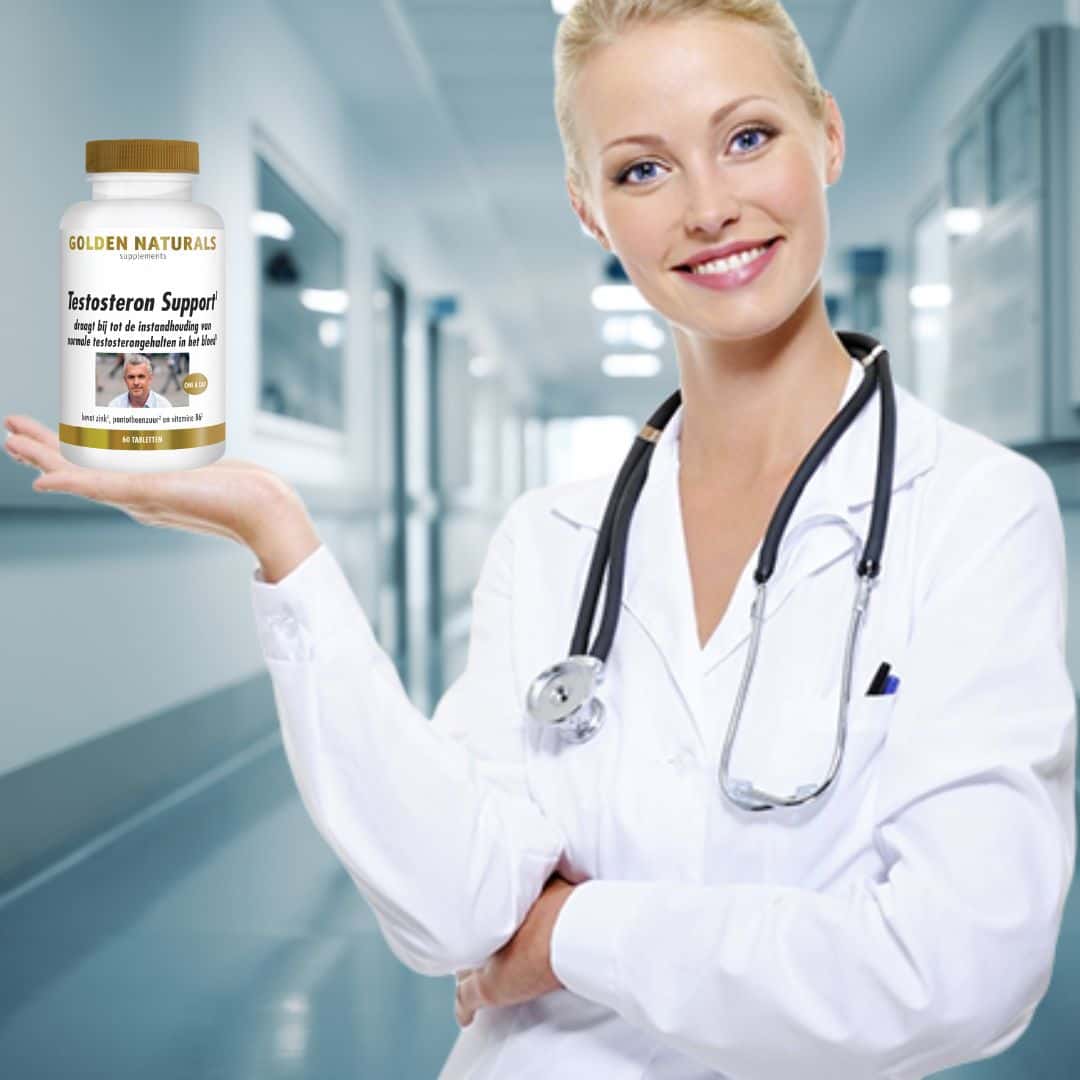
Orthomoleculaire voedingssupplementen zijn geconcentreerde ingredienten om de optimale biochemie te ondersteunen en gezondheidsproblemen te voorkomen of aan te pakken.
Toont alle 72 resultatenGesorteerd op populariteit
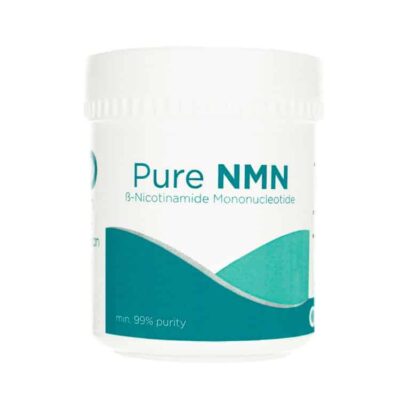
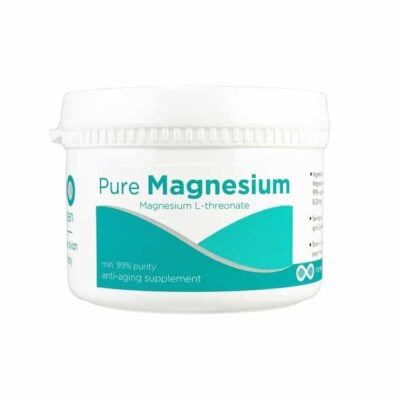
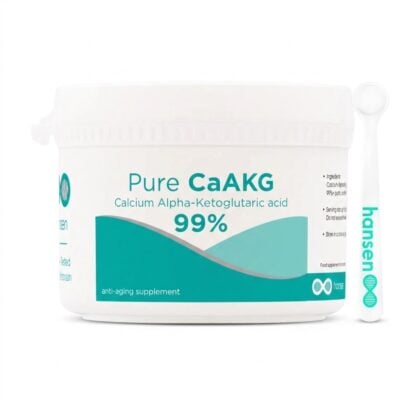
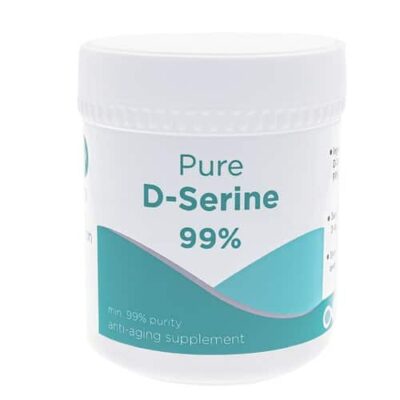
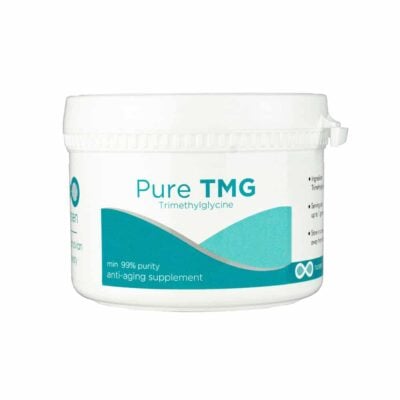

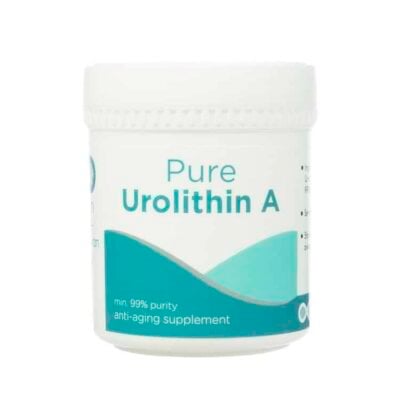
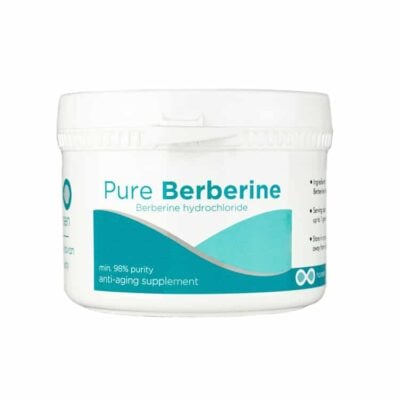
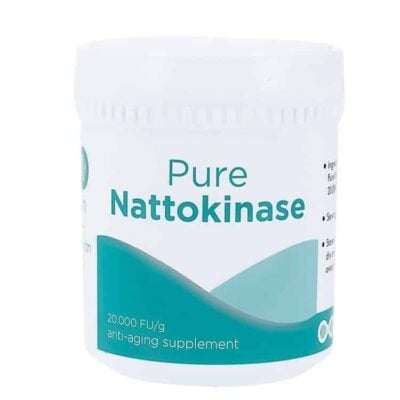
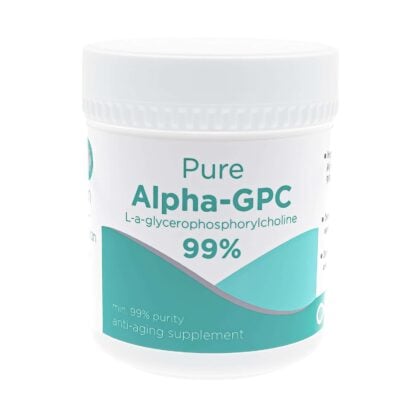
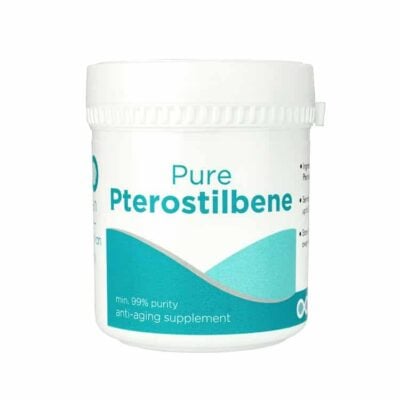
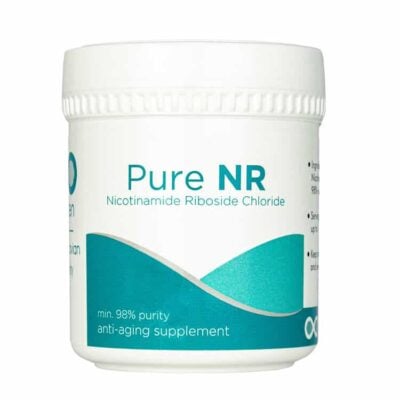
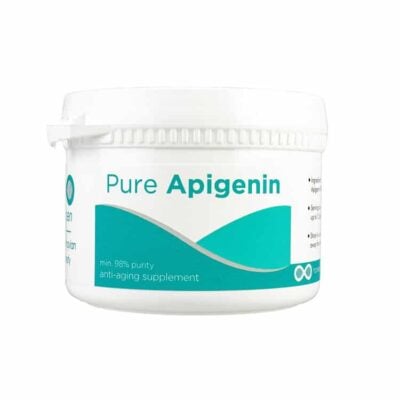
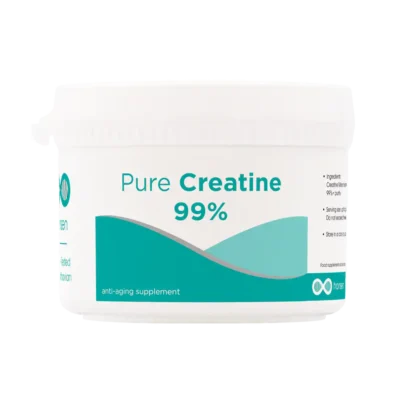
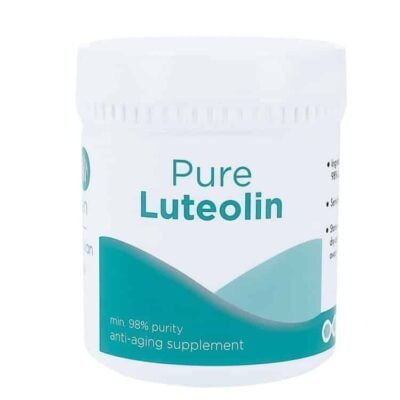
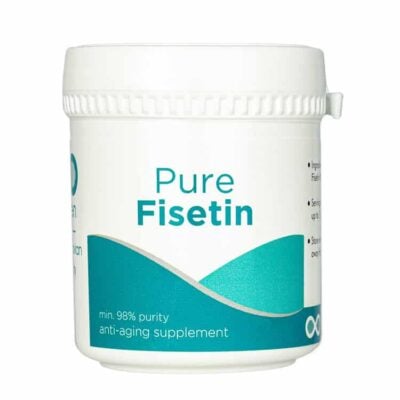
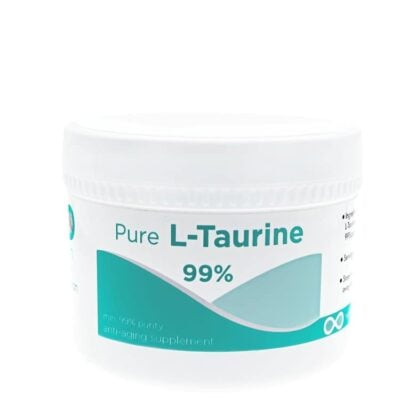

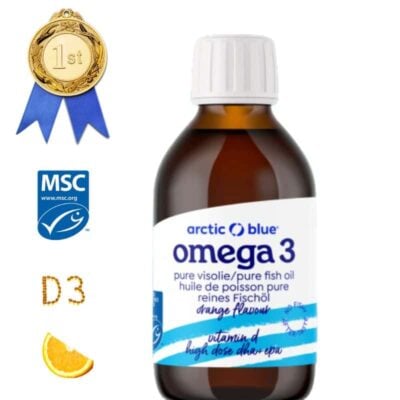
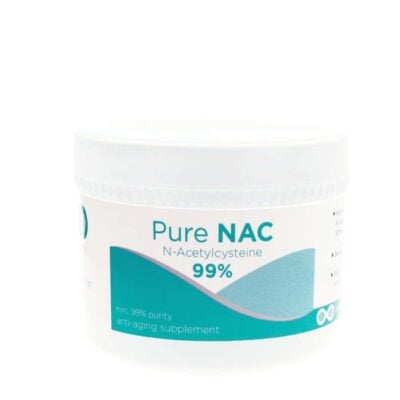
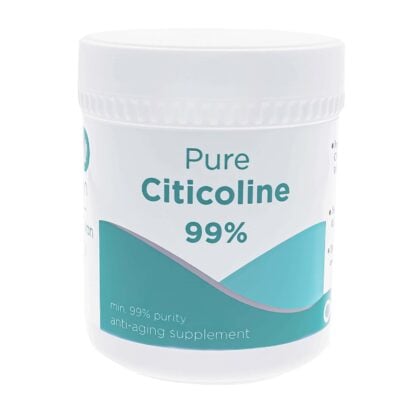
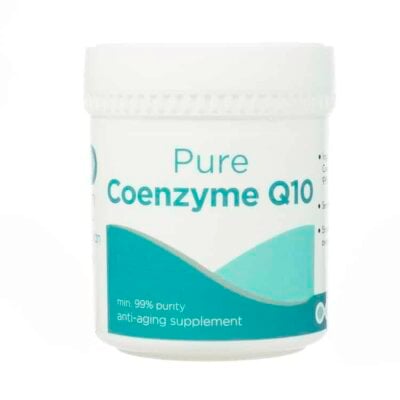
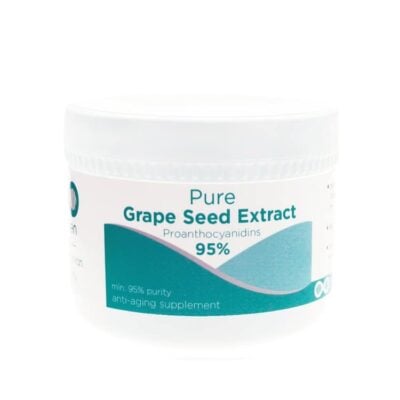
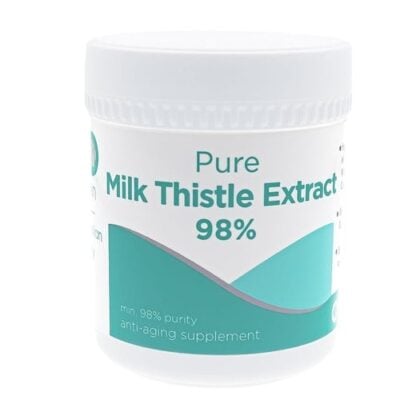
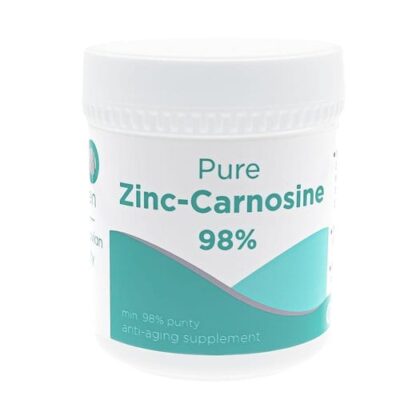
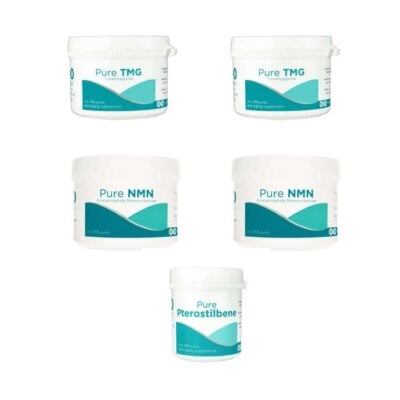
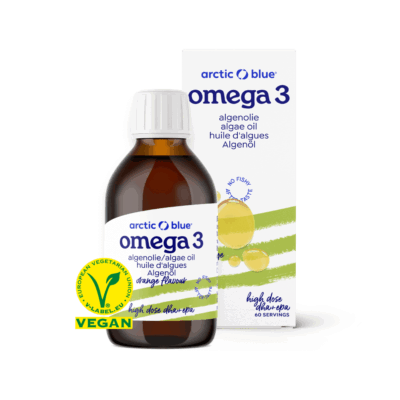
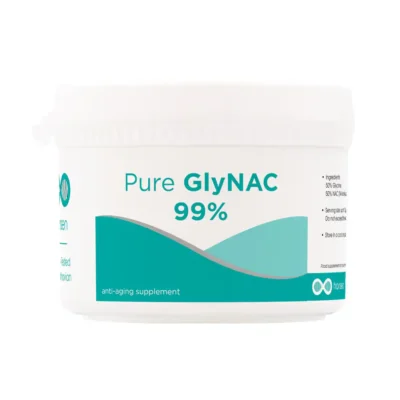

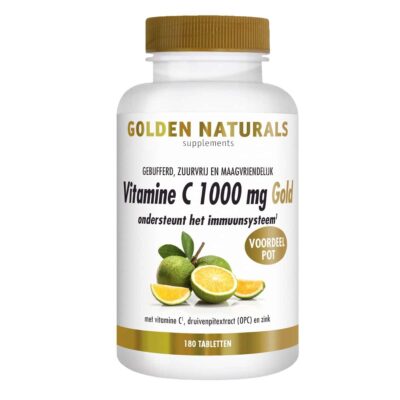
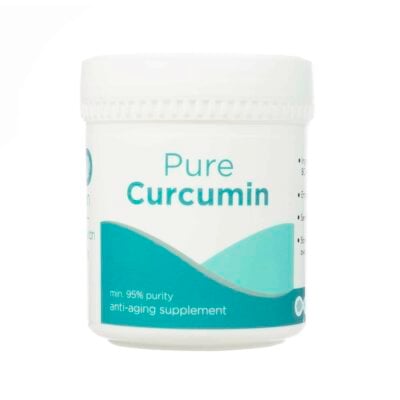
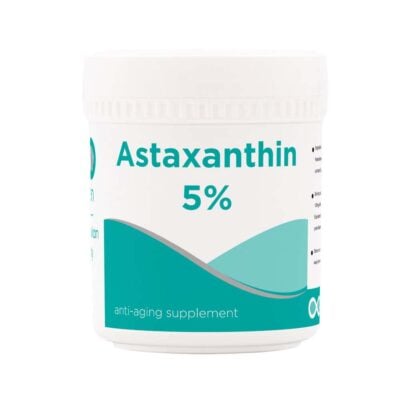
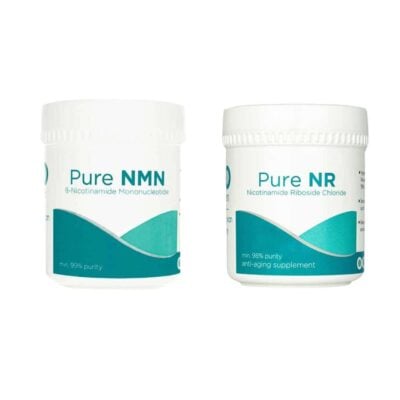
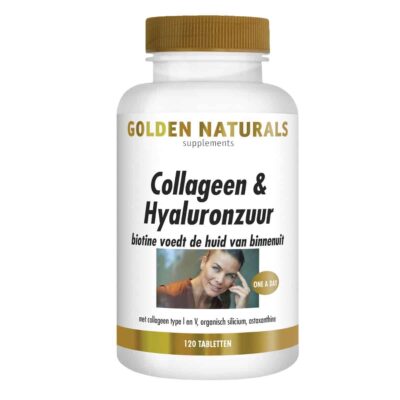

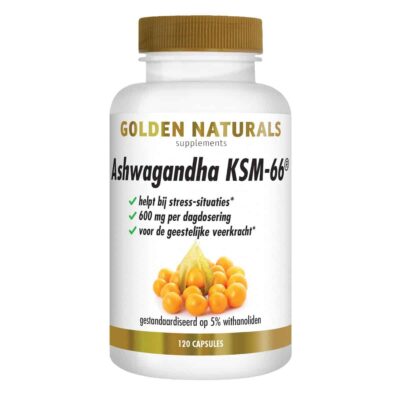


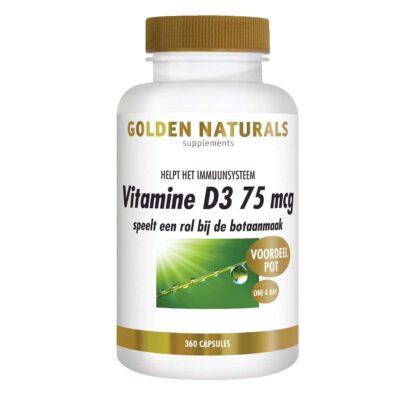
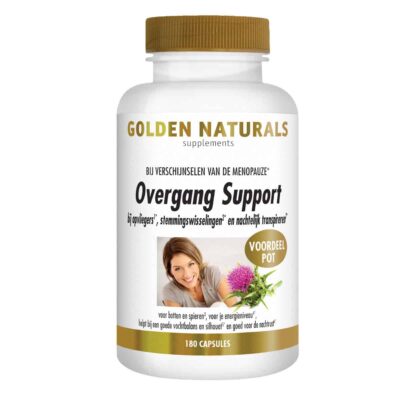
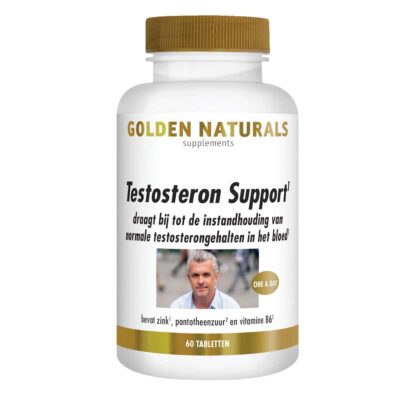
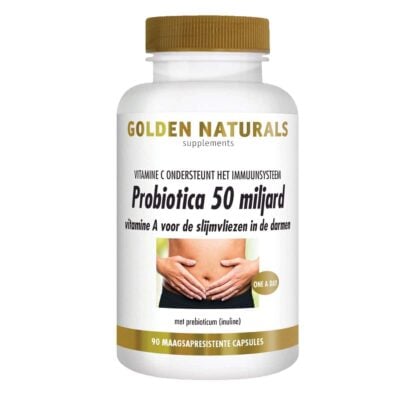
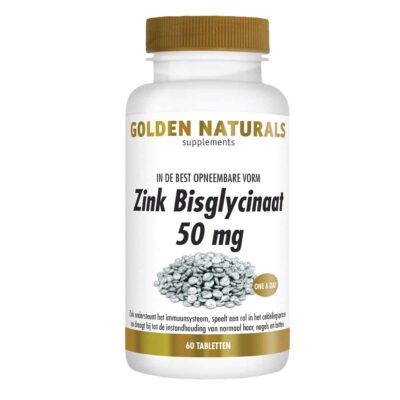
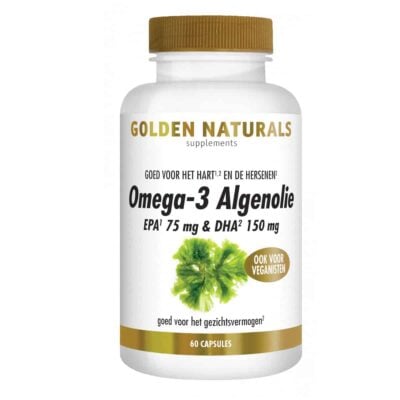
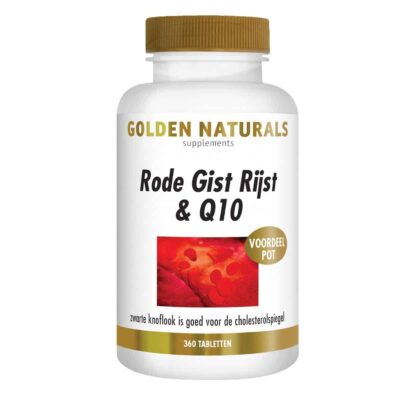
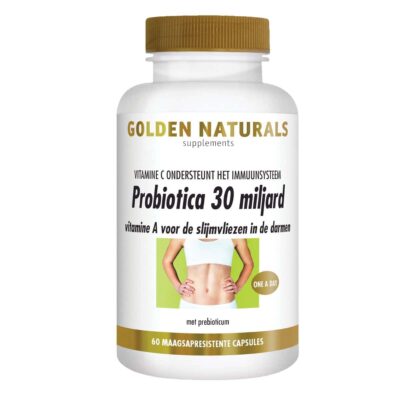
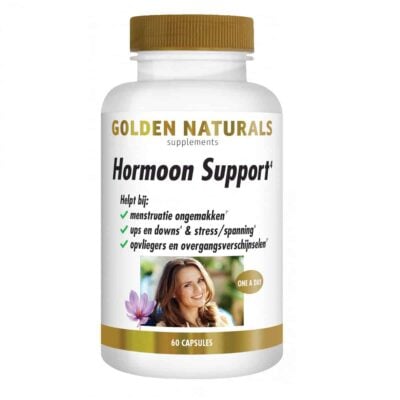
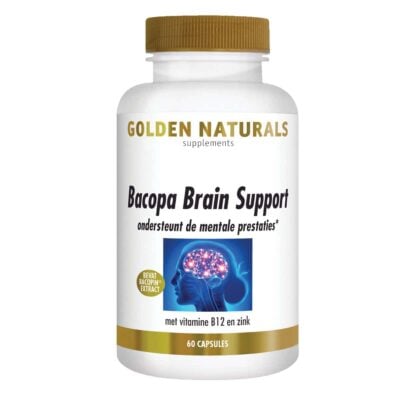
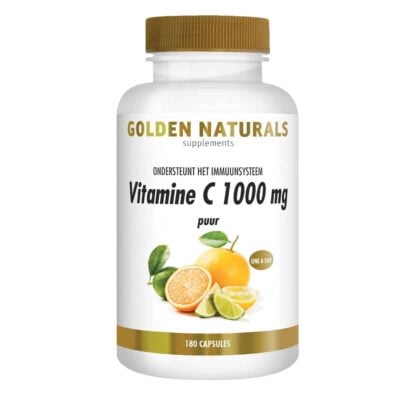
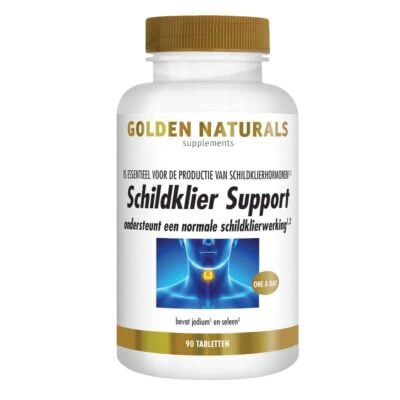
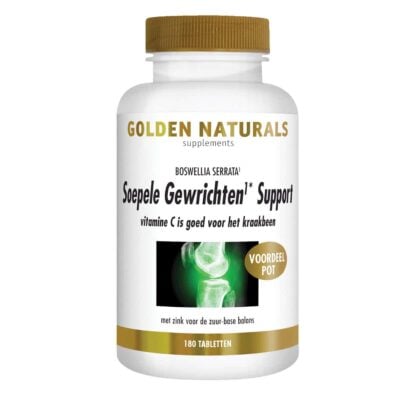
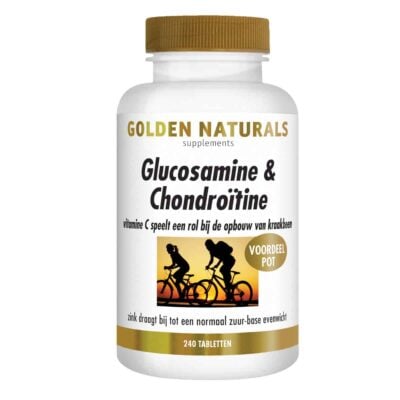
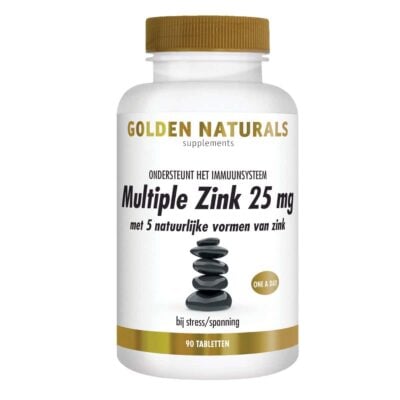
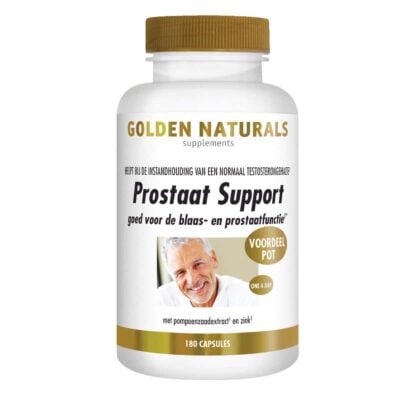
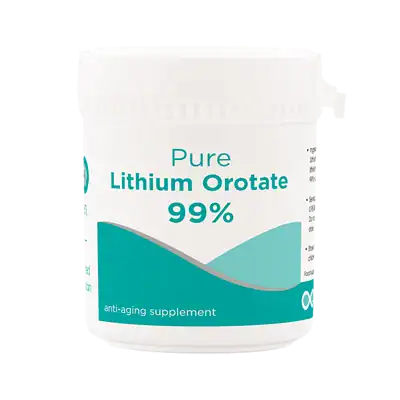
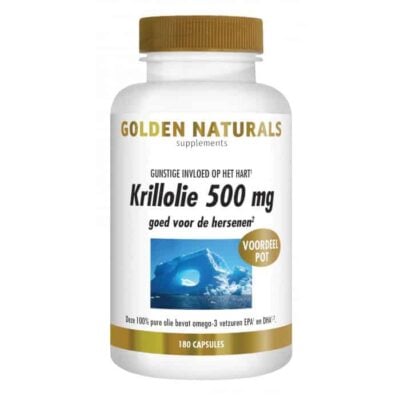
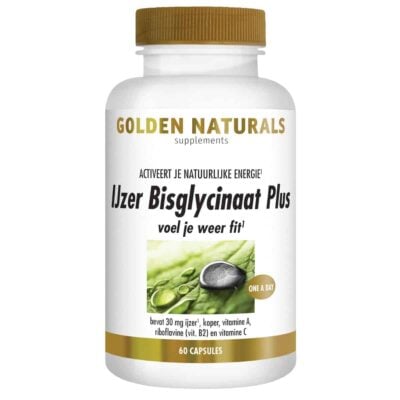
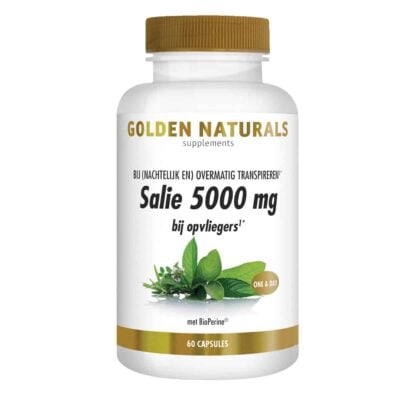
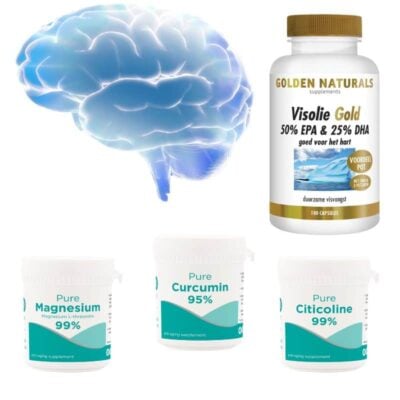
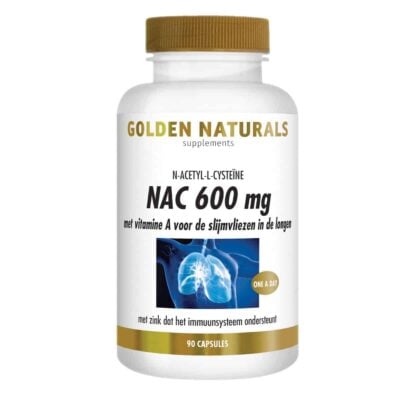
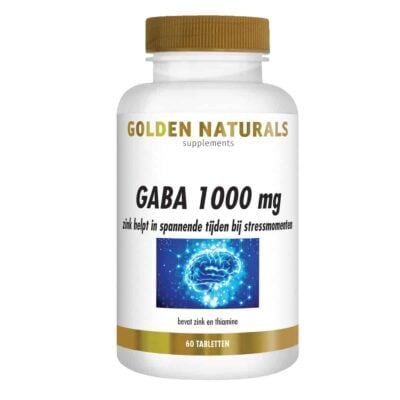
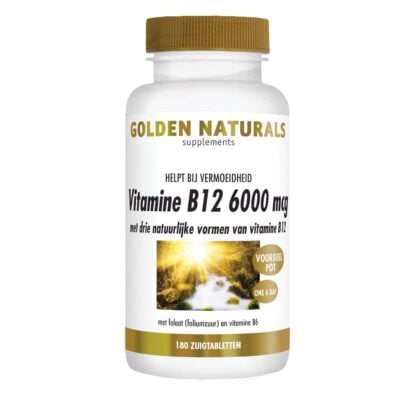
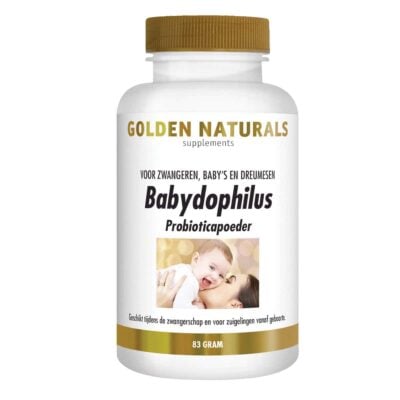
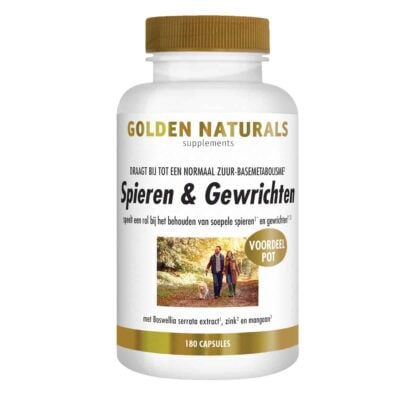
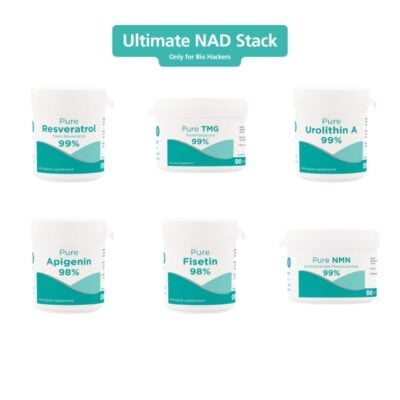
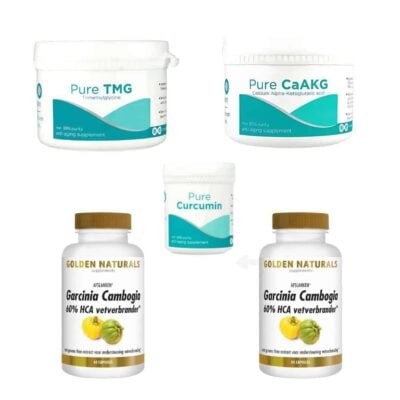
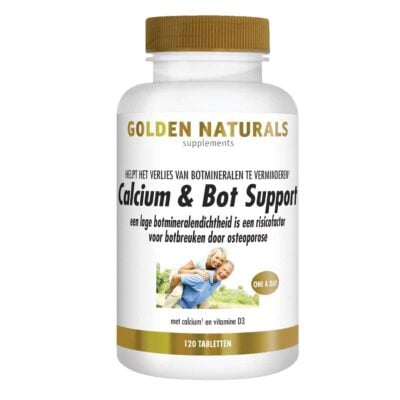
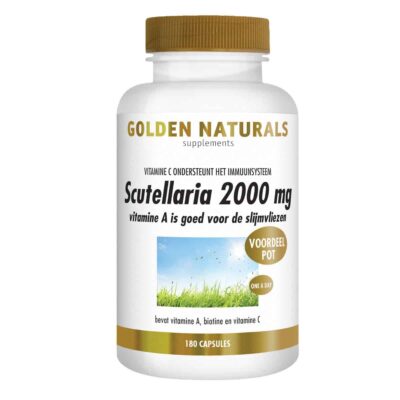
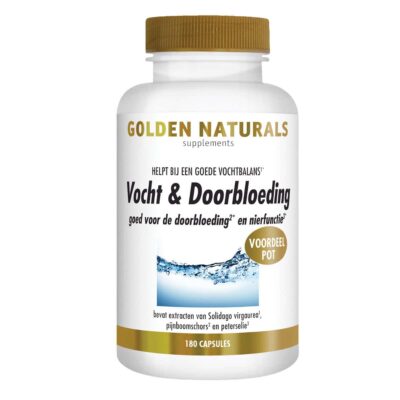
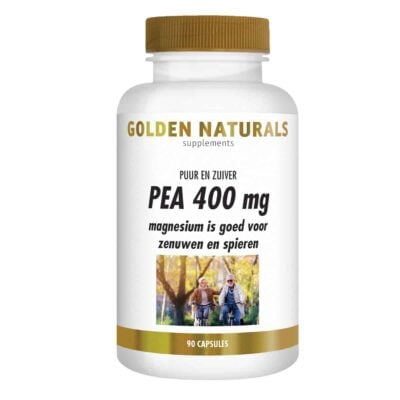
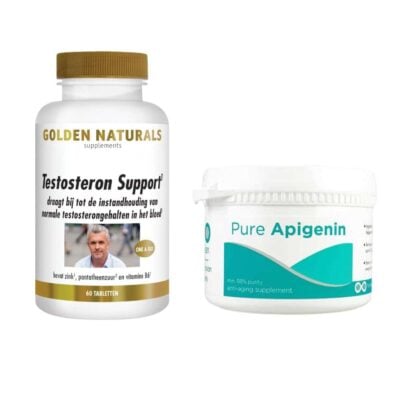
De definitie van orthomoleculaire voedingssupplementen is gebaseerd op het concept van 'orthomoleculaire geneeskunde', dat in de jaren 1960 werd geïntroduceerd door de Nobelprijswinnaar Linus Pauling. Volgens deze benadering kunnen veel gezondheidsproblemen worden aangepakt door de optimale concentraties van bepaalde moleculen, zoals vitamines, mineralen en aminozuren, in het lichaam te herstellen. In tegenstelling tot traditionele supplementen, die vaak een standaarddosering bevatten, zijn orthomolecular supplements ontworpen om de individuele behoeften van het lichaam te ondersteunen.
Het belangrijkste verschil tussen orthomoleculaire en traditionele voedingssupplementen is de focus op optimale concentraties in plaats van het simpelweg aanvullen van tekorten. Orthomoleculaire supplementen zijn gericht op het ondersteunen van de natuurlijke processen in het lichaam, terwijl traditionele supplementen zich richten op het corrigeren van specifieke deficiënties. Deze benadering kan leiden tot een bredere ondersteuning van de algehele gezondheid en welzijn.
In de orthomoleculaire voeding worden mineralen zoals magnesium, calcium en zink vaak voorgeschreven. Deze mineralen zijn verantwoordelijk voor tal van functies, waaronder de energiestofwisseling en spierfunctie. Een tekort aan mineralen kan leiden tot gezondheidsproblemen, waardoor suppletie een belangrijke rol speelt in de preventie van dergelijke aandoeningen.
In de orthomoleculaire benadering worden zowel essentiële als niet-essentiële aminozuren aangevuld om ervoor te zorgen dat je lichaam optimaal functioneert. Dit kan met name nuttig zijn voor mensen die intensief trainen of last hebben van bepaalde gezondheidsproblemen. Aminozuren zijn van vitaal belang voor spierherstel en kunnen je helpen bij het verbeteren van je lichamelijke prestaties.
In de orthomoleculaire voeding worden vetzuur-supplementen vaak aangeraden om de balans van vetzuren in je lichaam te optimaliseren. Omega-3-vetzuren komen vooral voor in vette vis, maar als je niet voldoende vis consumeert, kunnen supplementen een nuttige aanvulling zijn. Ze kunnen ook helpen bij het verbeteren van de hersenfunctie en het verlagen van het risico op hart- en vaatziekten.
In the orthomolecular diet, the intake of antioxidants, such as vitamin C, vitamin E and selenium, is often increased. These substances play a crucial role in neutralizing free radicals and supporting your immune system. Additionally, antioxidants can contribute to better skin health and slow the aging process, making them a valuable addition to your daily diet.
Pauling introduced the concept of orthomolecular medicine, emphasizing that many health problems can be addressed by restoring the optimal concentrations of certain molecules in the body. He stated that many diseases can be prevented or treated by providing the right amounts of essential nutrients. Pauling's work laid the foundation for the development of orthomolecular supplements as an alternative approach to healthcare.
Other important pioneers in this field were Abram Hoffer, a Canadian psychiatrist, and Roger Williams, an American biochemist. Hoffer investigated the use of orthomolecular supplements in the treatment of mental disorders, such as schizophrenia and depression. Williams, known as the discoverer of vitamin B5, contributed to the understanding of the role of nutrients in health and well-being. These scientists and their research have paved the way for the further development and acceptance of orthomolecular medicine.
The main mechanism of action of orthomolecular supplements is based on the idea that many health problems can be caused by suboptimal concentrations of certain molecules in the body. By optimizing these concentrations, the body's natural processes and functions can be supported and improved. This can lead to an improvement in overall health and well-being.
Orthomolecular supplements work in different ways to achieve this goal. For example, they can stimulate the production of important enzymes, hormones and other body substances, or improve the absorption and utilization of nutrients. In addition, they can increase the body's antioxidant capacity, limiting free radical damage. By supporting these mechanisms, orthomolecular supplements can contribute to the optimal functioning of the body.
The main mechanism of action of orthomolecular supplements is based on the idea that many health problems can be caused by suboptimal concentrations of certain molecules in the body. By optimizing these concentrations, the body's natural processes and functions can be supported and improved. This can lead to an improvement in overall health and well-being.
Orthomolecular supplements work in different ways to achieve this goal. For example, they can stimulate the production of important enzymes, hormones and other body substances, or improve the absorption and utilization of nutrients. In addition, they can increase the body's antioxidant capacity, limiting free radical damage. By supporting these mechanisms, orthomolecular supplements can contribute to the optimal functioning of the body.
One of the potential risks of orthomolecular supplements is exceeding optimal dosages. Although these supplements are designed to support natural balance, excessive doses of certain nutrients can lead to side effects. Examples of this are stomach complaints, diarrhea, headache or skin irritations.
In addition, orthomolecular supplements may in some cases interact with certain medications. Some supplements can enhance or reduce the effect of medicines, which can lead to unwanted effects. It is therefore important to always follow the advice of a doctor or qualified healthcare provider when using orthomolecular supplements, especially in combination with medication.
Om de risico's te beperken, is het raadzaam om altijd hoogwaardige en betrouwbare producten te kiezen, die voldoen aan de geldende kwaliteits- en veiligheidsnormen. Daarnaast is het belangrijk om de dosering en inname zorgvuldig af te stemmen op de individuele behoeften en gezondheidssituatie. Overleg bij twijfel altijd met een deskundige om de veiligheid en effectiviteit te waarborgen.
A healthy, varied diet forms the basis for optimal health. By choosing foods rich in essential nutrients, the body can absorb and utilize these substances naturally. Orthomolecular supplements can support this natural intake, but cannot completely replace a healthy diet.
In addition to a nutritious diet, an active lifestyle is also important for maintaining good health. Regular exercise, stress management and sufficient sleep contribute to the overall vitality and resistance of the body. Orthomolecular supplements can support this healthy lifestyle, but cannot fully compensate for its positive effects.
By combining orthomolecular supplements with a healthy lifestyle, the health benefits can be maximized. It is important to remember that supplements are not a substitute for a balanced diet and exercise. Exercising regularly, getting enough sleep and reducing stress can improve overall health. Orthomolecular supplements can be a valuable addition to a healthy lifestyle, but should always be used in combination with a balanced diet and sufficient exercise.