
What is a healthy liver?
A healthy liver is a liver that functions well and is free of diseases and disorders. The liver is a vital organ that aids in digestion, storing nutrients and eliminating toxins from the body. To maintain a healthy liver, it is important to lead a healthy lifestyle, such as eating a balanced diet, exercising regularly, not smoking and avoiding excessive alcohol consumption. Symptoms of an unhealthy liver may include fatigue, jaundice, nausea, loss of appetite, weight loss and abdominal swelling. If you have symptoms of an unhealthy liver, it is important to seek medical attention.
10 tips for a healthy liver
- Maintain a healthy weight
Maintaining a healthy weight based on your age, gender and height is crucial for long-term liver health. Being overweight can lead to fatty liver disease, which can be harmful to the liver. - Exercise daily
They call it “cardiovascular exercise,” but those regular heart-boosting workouts also support your liver. How? Cardio promotes healthy glucose metabolism and supports healthy weight management, all of which are important for a healthy liver. - Strength training is also good for your liver because it increases metabolism, which helps prevent the build-up of excess fat in the body and liver. So strength training is the way to go burn fat and it also supports healthy insulin sensitivity.
- And there's good news for those of you who don't like to sweat on the treadmill: studies have shown that both aerobic exercise as resistance training supports liver health! Your goal should be a total of 30-60 minutes of exercise per day – preferably a combination of cardio and strength training, because of the various health benefits they provide.
- Fill your plate with healthy food
Eat a healthy and balanced diet: Avoid processed foods, sugary drinks, including those containing artificial sweeteners and limit your intake of fats and salt. Make sure you fill your plate with the right foods to keep your liver healthy. Avoid meals high in calories, saturated fats, refined carbohydrates and sugars. We recommend following a Mediterranean diet, which provides beneficial nutrients from fresh fruits and vegetables, lean meats and fish such as salmon, healthy fats and whole grains. (Added bonus: Eating these types of nutritious foods is a good way to ensure you get enough vitamin D, vitamin C, vitamin A, and vitamin E, essential nutrients for overall health!) - Hydration
Drink enough water to keep your body hydrated and to flush toxins from your body. This is essential for a healthy liver, so make sure you drink at least 2 liters of water every day. - Moderate alcohol consumption
Limit your alcohol intake: Excessive alcohol consumption can lead to liver damage and liver disease. Adhere to the recommended limits for alcohol consumption. If your liver health is important to you, you should skip or shorten those happy hours, or trade in that martini for a “mocktail” or glass of water. Alcoholic drinks can have negative effects on liver health, especially liver cells. In addition, there is a correlation alcohol and causing vitamin deficiencies. Not sure if you're drinking too much? Consult your doctor, who can also advise you whether you should cut out alcohol completely or use it only in moderation. - Quit smoking for a healthy liver
Smoking is harmful to the liver because it can reduce blood flow to the liver and damage the liver. Smoking can impair liver function by reducing the amount of oxygen in the blood, leading to reduced blood flow and oxygen supply to the liver. This can damage liver cells and lead to liver inflammation, scarring and cirrhosis. In addition, smoking can promote the development of liver cancer and increase the chance of developing liver diseases, such as hepatitis C and non-alcoholic fatty liver disease. Smoking also increases the levels of liver enzymes in the blood, which can indicate liver damage. RCigarette smoking is therefore not only harmful to the lungs, but also to other organs in the body, including the liver. Quitting smoking can improve liver health and reduce the risk of liver disease and liver cancer.
- Keep the blood sugar levels under control: High blood sugar levels can lead to fatty liver disease and other liver diseases. Limit your sugar and carbohydrate intake.
- Limit medication use: Too many medications can overload the liver. Use medications only as prescribed and do not take medications that are not necessary.
Liver supplements for a healthy liver
Liver supplements can contribute to a healthy liver, but are not a substitute for a healthy lifestyle. A healthy liver is of vital importance, this may sound exaggerated, but it is certainly not. The liver is your personal filter system that cleans the blood and converts toxins into waste products that the body can then remove more effectively.
Although we often think of the heart, lungs, and brain as our “vital organs,” we shouldn't overlook the liver! The optimal functioning of our organs is essential for our overall health. A healthy liver makes a big difference in how you feel and is important for lifelong overall health. With some lifestyle changes, a balanced diet, regular exercise and incorporating liver supplements into your health routine, you can take the first steps towards a healthy liver.
Advice for maintaining a healthy liver
What are the functions of the liver
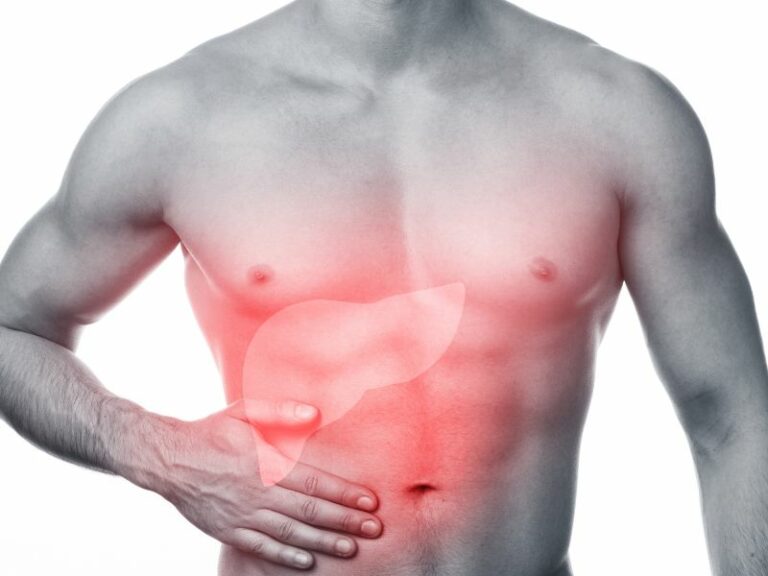
The liver is an essential organ in our body and has many functions. It is therefore very important to take care of the health of your liver.
6 Functions of the liver:
- Metabolism: The liver is responsible for converting nutrients into usable forms for the body. It also processes and regulates the amount of sugar, proteins and fats in the blood.
- Detoxification: The liver plays an important role in removing toxins from the body such as alcohol, drugs, medications and toxins produced by the body.
- Bile Production: The liver produces bile, a fluid that aids in the digestion of fats and the absorption of fat-soluble vitamins.
- Storage: The liver stores glucose as glycogen and also stores vitamins and minerals for later use by the body.
- Regulation of blood clotting: The liver produces clotting factors that are important for stopping bleeding and preventing excessive blood loss.
- Protein Synthesis: The liver also produces proteins necessary for the growth and maintenance of the body.
In summary, the liver is an essential organ that performs many different tasks and helps the body function and survive. It is important to keep the liver healthy through a healthy lifestyle, possibly supplemented with liver supplements that can support the functioning of the liver.
Eén reactie
Thanks for the useful information 👍