
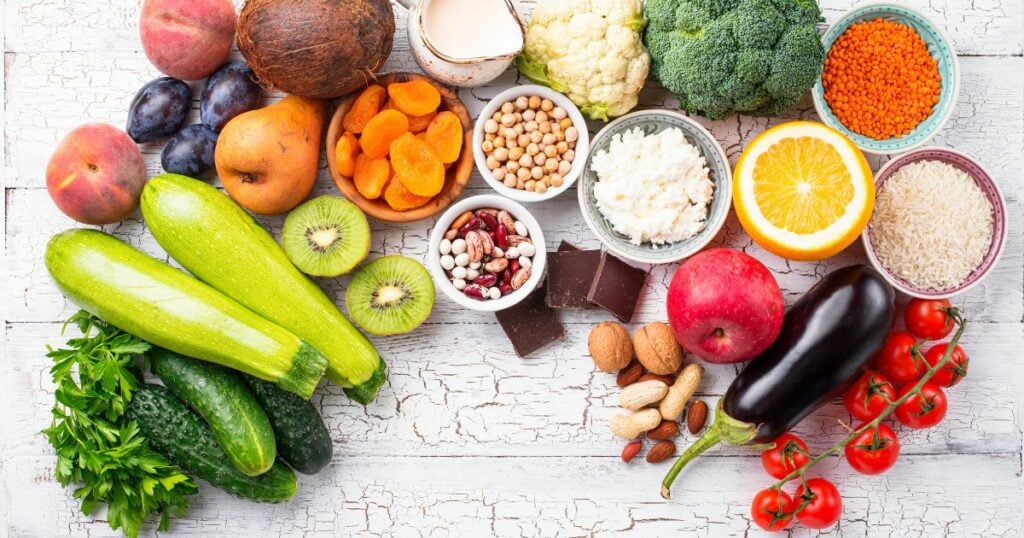
The glycemic index
The glycemic index (GI) is a term you may have heard, especially when it comes to choosing foods for a healthy diet. But what exactly is the glycemic index and why is it important? In this article, we take a closer look at the glycemic index with scientific support and discover how it affects our blood sugar levels and what role it plays in a healthy diet.
The concept of the glycemic index was first introduced in the 1980s and has since become an important point of interest, especially for people with diabetes, those who want to lose weight, maintain stable energy levels or are interested in the the best options for longevity
Glycemic index meaning
The glycemic index is a measure used to assess the rate at which carbohydrates in foods increase blood sugar levels. It's a scale from 0 to 100, where foods with a high glycemic index raise blood sugar levels quickly, while foods with a low glycemic index are digested and absorbed more slowly and gradually, causing less of a rise in blood sugar.
How is the glycemic index measured?
The glycemic index is measured by comparing a person's blood sugar response after consuming a food containing a certain amount of carbohydrates to the blood sugar response after consuming a reference food, usually glucose or white bread. The result is expressed as a percentage of the blood sugar response to the reference food.
Importance of the glycemic index
Understanding the glycemic index can be helpful when making dietary choices, especially for people with diabetes or those looking to lose weight. Foods with a high glycemic index can cause blood sugar levels to rise quickly, leading to peaks and valleys in energy levels, insulin spikes and possibly cravings for more carbohydrate-rich foods. Foods with a low glycemic index, on the other hand, provide a slower and more stable release of glucose, which can help keep blood sugar levels stable and maintain a feeling of satiety for longer.
A randomized controlled trial comparing low and high glycemic index diets found that the low glycemic index diet improved glucose control and utilization. It also improved lipid profiles (cholesterol and triglycerides) and the ability to break down blood clots. Diabetics are more prone to blood clots, a major factor contributing to premature death. See the research at the very bottom of this page.
Factors that influence the glycemic index
Several factors can influence the glycemic index of foods. Some of these factors include:
- Fiber content: Foods high in fiber often have a lower glycemic index because fiber slows glucose absorption.
- Fat and protein content: Het toevoegen van vetten en eiwitten aan een maaltijd kan de glycemische index verlagen omdat deze macronutriënten de spijsvertering vertragen.
- Maturity: In general, ripe fruits have a higher glycemic index than unripe fruits because the amount of starch in fruits decreases as they ripen.
Food preparation: The way food is prepared can also affect the glycemic index. For example, cooking pasta al dente results in a lower glycemic index than cooking pasta until completely soft.
Food combinations: Het combineren van voedingsmiddelen met verschillende glycemische indexen kan de algehele glycemische respons beïnvloeden. Het toevoegen van voedingsmiddelen met een lagere glycemische index aan een maaltijd met voedingsmiddelen met een hogere glycemische index kan de algehele stijging van de bloedsuikerspiegel verminderen.
Processed foods such as white bread, white rice and snacks, often have a higher glycemic index than unprocessed foods. This is because the processing process changes the structure of the food and makes the carbohydrates easier to digest
Benefits of a low glycemic index diet
Following a low glycemic index diet can have several benefits, including:
- Management of diabetes: For people with diabetes, eating foods with a lower glycemic index can help manage blood sugar levels.
- Weight management: Foods with a lower glycemic index can keep you feeling full for longer, making it easier to manage weight and reduce the need for snacks.
- Improved energy levels: Foods with a lower glycemic index ensure a more stable release of glucose, preventing energy peaks and valleys.
- Improving Heart Health: A low glycemic index diet can help maintain healthy cholesterol and blood pressure levels, reducing the risk of heart disease.
Glycemic index value
Foods are usually classified according to their glycemic index value into three categories:
- High GI (70 or higher): foods such as white bread, white rice, cereals with added sugars and sweetened drinks.
- Average GI (56-69): foods such as oatmeal, brown rice, whole wheat bread and some fruits, such as bananas and pineapple.
- Low GI (55 or lower): foods such as legumes, vegetables, whole grains, nuts, seeds and most fruits, such as berries and apples.
Important considerations: While the glycemic index provides useful information, it is important to consider other factors when making dietary choices. Portion size, nutritional value, nutrients and individual health needs all play a role in achieving a balanced diet.
Supplements low glycemic index
Nutritional supplements are not a substitute for a healthy diet and lifestyle, but they can help you feel better and fitter. Consult a doctor before adding any new supplements to your diet if you have health problems or are taking medications.
The supplements below have a positive influence on the glycemic index
Glycemic index food list
In the glycemic index list below you will find an overview of foods ranging from a high to low glycemic index. Take advantage of it and find out which foods and snacks have a low glycemic index.
| Food glycemic index | Glycemic Index Score | Carbohydrates per 100 g |
|---|---|---|
| Almonds | 0 | 22g |
| Walnuts | 0 | 9 g |
| Pumpkin seeds | 0 | 54g |
| Sunflower seeds | 0 | 20g |
| Eggs | 0 | 0 g |
| Salmon | 0 | 0 g |
| Chicken fillet | 0 | 0 g |
| Coconut oil | 0 | 0 g |
| Olive oil | 0 | 0 g |
| Cumin seeds | 0 | 0 g |
| Cinnamon | 0 | 0 g |
| Ginger | 0 | 0 g |
| Turmeric | 0 | 0 g |
| Fennel | 0 | 3 g |
| Celery | 0 | 2 g |
| Arugula | 0 | 2 g |
| Hemp seed | 0 | 3 g |
| Apple cider vinegar | 0 | 0 g |
| Ghee | 0 | 0 g |
| Spinach | 1 | 1 g |
| Garlic | 1 | 33g |
| Chia seeds | 1 | 43g |
| Tofu | 2 | 2 g |
| Basil | 2 | 2 g |
| Macadamia nuts | 5 | 14g |
| Paprika | 6 | 6g |
| Hummus | 6 | 14g |
| Cottage cheese | 6 | 3 g |
| Sweet pepper | 6 | 6g |
| Pecans | 9 | 14g |
| Cucumber | 10 | 2 g |
| Broccoli | 10 | 7 g |
| Mushrooms | 10 | 3 g |
| Onions | 10 | 9 g |
| Avocado | 10 | 9 g |
| Mushrooms | 10 | 3 g |
| Sauerkraut | 10 | 4 g |
| Pumpkin seed paste | 10 | 14g |
| Greek yogurt | 11 | 4 g |
| Peanut butter | 13 | 20g |
| Roasted peanuts | 14 | 21g |
| Tomatoes | 15 | 3 g |
| Cauliflower | 15 | 5 g |
| Asparagus | 15 | 3 g |
| Zucchini | 15 | 3 g |
| Low-fat cottage cheese | 15 | 4 g |
| Radish | 15 | 2 g |
| Seaweed | 15 | 2 g |
| Pistachio nuts | 15 | 28g |
| Edamame beans | 18 | 5 g |
| Cashew nuts | 22 | 30g |
| Chocolate (at least 70% cocoa) | 22 | 14g |
| Almond milk | 25 | 3 g |
| Cashew paste | 25 | 16g |
| Cashew nut butter | 25 | 30g |
| Flax seed | 29 | 29g |
| Lentils | 30 | 63g |
| Oat milk | 30 | 5 g |
| Soy milk | 31 | 4 g |
| Milk | 32 | 5 g |
| Carrots | 35 | 7 g |
| Chickpeas | 35 | 61g |
| Amaranth | 35 | 66g |
| Tempeh | 35 | 9 g |
| Miso | 35 | 8g |
| Amaranth flour | 35 | 66g |
| Amaranth paste | 35 | 69g |
| Brown beans | 38 | 63g |
| Apples | 39 | 14g |
| Plums | 39 | 11g |
| Oranges | 40 | 9 g |
| Strawberries | 41 | 7 g |
| Coconut milk | 41 | 5 g |
| Peaches | 42 | 9 g |
| Milk chocolate | 43 | 61g |
| Applesauce | 44 | 18g |
| Lentil soup | 44 | 12g |
| Lentil paste | 45 | 60g |
| Coconut water | 45 | 4 g |
| Bulgur | 48 | 76g |
| Baked beans | 48 | 14g |
| Whole wheat bread | 50 | 40g |
| Whole wheat pasta | 50 | 37g |
| Jerusalem artichoke | 50 | 17 g |
| Quinoa flour | 50 | 64g |
| Sweetened yogurt | 51 | 14g |
| Jam | 51 | 64g |
| Quinoa | 53 | 64g |
| Rice noodles | 53 | 76g |
| Rice noodles | 53 | 78g |
| Blueberries | 53 | 14g |
| Kiwi | 53 | 15g |
| Quinoa | 53 | 64g |
| Quinoa flakes | 53 | 64g |
| Potato chips | 54 | 52g |
| Maple syrup | 54 | 67g |
| Buckwheat | 54 | 71g |
| Ketchup | 55 | 24g |
| Oat flakes | 55 | 58g |
| Oat bran | 55 | 58g |
| Potato chips with dip | 57 | 52g |
| Canned apricots | 57 | 15g |
| Pita bread | 57 | 49g |
| Ice cream | 57 | 26g |
| Fruit juice | 58 | 13 g |
| Basmati rice | 58 | 77g |
| Oatmeal | 58 | 56g |
| Grapes | 59 | 17 g |
| Caramelized onions | 60 | 22g |
| Roasted chestnuts | 60 | 43g |
| Honey | 61 | 82g |
| Bananas | 62 | 23g |
| Date cookies | 63 | 71g |
| Sugary soft drinks | 63 | 11g |
| Boiled beetroot | 64 | 10g |
| Currants | 64 | 64g |
| Currants | 64 | 64g |
| Muffins | 64 | 47g |
| Raisin bread | 64 | 45g |
| Beetroot | 64 | 10g |
| Honeydew melon | 65 | 8g |
| Melon | 65 | 8g |
| White sugar | 65 | 100g |
| Whole wheat couscous | 65 | 23g |
| Pineapple | 66 | 16g |
| Canned pineapple | 66 | 16g |
| Granola bars | 66 | 67g |
| Pancake mix | 67 | 62g |
| Peanut M&Ms | 67 | 58g |
| Cornbread | 68 | 48g |
| Pancake syrup | 68 | 68g |
| White caster sugar | 68 | 100g |
| Caramel | 70 | 83g |
| Cornmeal | 70 | 76g |
| Marshmallow cream | 70 | 81g |
| Marshmallows | 70 | 81g |
| White tortilla | 70 | 47g |
| Sweet potato | 70 | 20g |
| White rice | 73 | 80g |
| French fries | 75 | 41g |
| Pumpkin | 75 | 7 g |
| Pumpkin puree | 75 | 8g |
| Currant bun | 76 | 52g |
| Currant bread | 76 | 46g |
| Sugar waffles | 76 | 62g |
| Cinnamon roll | 77 | 49g |
| Ready-made soup | 77 | 7 g |
| Sugary breakfast cereals | 77 | 81g |
| Baked beans | 78 | 15g |
| Fruit cocktail in syrup | 79 | 14g |
| Instant oatmeal | 79 | 60g |
| Rice vermicelli | 80 | 78g |
| Rice cakes | 82 | 77g |
| Rice waffles | 82 | 77g |
| Mashed potatoes | 83 | 16g |
| Potato croquettes | 85 | 32g |
| Bread-crumbs | 85 | 83g |
| White flower | 85 | 76g |
| Rice flour | 85 | 79g |
| Instant mashed potatoes | 87 | 86g |
| Rice porridge | 87 | 29g |
| Rice pudding | 87 | 23g |
| Cornflour | 89 | 73g |
| Cornflakes | 93 | 84g |
| Fried potato | 95 | 17 g |
| Dates | 100 | 75g |
Glycemic index list Sweeteners
There is more and more buzz about sweeteners. While the general idea used to be that sweeteners are a healthy substitute for sugars, more and more scientists are coming back to this.
The glycemic index may be much lower than that of sugars, but recent Scientific studies on artificial sweeteners show that they are bad for health.
| Sweeteners glycemic index | Glycemic Index Score |
|---|---|
| Erythritol (E968) | 0 |
| Xylitol (E967) | 13 |
| Maltitol (E965) | 36 |
| Mannitol (E421) | 2 |
| Aspartame (E951) | 0 |
| Sucralose (E955) | 0 |
| Tagatose | 2 |
| Splenda | 0 |
| Cyclamate (E952) | 0 |
| Stevia (E960) | 0 |
| Sorbitol (E420) | 9 |
| Glycerol (E422) | 3 |
| Acesulfame-k (E950) | 0 |
| Isomalt (E953) | 9 |
| Saccharin (E954) | 0 |
The glycemic index may vary slightly depending on factors such as the ripeness of the food, the method of preparation and the combination with other foods. The glycemic index is just one aspect to consider when making healthy food choices. It is always best to aim for a balanced diet that is rich in nutrients, fiber and a good mix of carbohydrates, protein and healthy fats.

Nutrition tips
In addition to understanding the glycemic index, there are some steps you can take to reduce the impact of carbohydrates on blood sugar levels:
Combine carbohydrates with proteins and healthy fats: Combining carbohydrates with proteins or healthy fats can help keep blood sugar levels stable. For example, add nuts or seeds to your meal or combine fruit with Greek yogurt.
Provide one correct macronutrient balance. This balance ensures that your body gets what it needs
Choose whole grain and fiber-rich options: Whole grain products contain more fiber, which can help slow blood sugar levels. For example, choose whole wheat bread, whole wheat pasta and brown rice instead of their refined counterparts
Add fiber-rich vegetables: Vegetables are generally low in carbohydrates and high in fiber. By adding more fiber-rich vegetables to your meals, you can lower the overall glycemic load of the meal.
Choose healthy cooking methods: Choose healthy cooking methods such as steaming, grilling, baking or roasting instead of frying. This can help reduce the glycemic response of foods.
Making healthy food choices and managing blood sugar levels isn't just about the glycemic index. It's about creating a balanced and varied diet. But also intermittent fasting, regular exercise, sufficient hydration and listening to your own body will help you with this.
Exercise for a lower glycemic index
Exercise can have a significant impact on the glycemic index. Here are some ways exercise can affect the glycemic index:
Increased insulin sensitivity: Exercise can improve insulin sensitivity, meaning cells respond better to insulin and can absorb glucose more efficiently. This can help keep blood sugar levels stable after eating carbohydrates, lowering the glycemic response.
Increased glucose use: During exercise, muscles use glucose as fuel. This reduces the amount of glucose circulating in the bloodstream, lowering blood sugar levels. As a result, the glycemic response to carbohydrates may be reduced after training.
Improved glycogen storage: Exercise stimulates the storage of glucose in the muscles in the form of glycogen. This stored glucose can be used later during exercise or at rest, reducing the need for glucose from food and the associated glycemic response.
Change in hormonal response: During exercise, several hormones are released, such as adrenaline and cortisol. These hormones can promote the release of glucose from the liver and increase the use of fat as an energy source. This can help keep blood sugar levels stable and regulate glycemic response.
Duration and intensity of the exercise: Both duration and intensity of exercise can influence glycemic response. In general, long-term, moderate-intensity exercise, such as walking or cycling, decreases glycemic response. On the other hand, shorter, more intense exercises, such as interval training or strength training, can increase glycemic response due to temporary increased glucose production by the liver.
Glycemic load
In addition to the glycemic index, there is another term, The glycemic load (GL) combines both the glycemic index of a food and the amount of carbohydrates it contains. It provides a more accurate assessment of a food's true impact on blood sugar levels.
The glycemic load is calculated by multiplying the glycemic index of a food by the amount of carbohydrates in a serving, and then dividing by 100. This approach takes into account both the quality and quantity of carbohydrates in a food.
By looking at the glycemic load, we get a more complete picture of how a food affects blood sugar levels. For example, a food with a high glycemic index may have a lower glycemic load if the portion size is small or if it is low in carbohydrates. This means that the food may have less influence on blood sugar levels than would be expected based on the glycemic index alone.
Summary
The glycemic index is a measure that indicates the speed at which carbohydrates in foods raise blood sugar levels. Understanding the glycemic index can be helpful in making healthy food choices, especially for people with diabetes or those looking to lose weight. Eating foods with a lower glycemic index can help manage blood sugar levels, manage weight, maintain energy levels and promote good heart health. However, it is important to put the glycemic index into perspective and consider other nutritional factors when creating a balanced diet. It is advisable to aim for a varied diet with a good balance of carbohydrates, proteins, fats, fiber and other essential nutrients.
Consulting a dietitian or nutritionist can also be helpful, especially if you have specific nutritional needs or have a health condition such as diabetes. They can help you draw up a personalized nutrition plan that takes into account the glycemic index and other relevant factors.
Remember that the glycemic index is just one tool when making food choices. It's important to look at the bigger picture and take a balanced approach when selecting foods that contribute to your overall health and well-being.
References:
- American Diabetes Association. (n.d.). Glycemic index and diabetes. Retrieved from https://www.diabetes.org/nutrition/understanding-carbs/glycemic-index-and-diabetes
- Harvard T.H. Chan School of Public Health. (2021). Glycemic index and glycemic load for 100+ foods. Retrieved from https://www.hsph.harvard.edu/nutritionsource/carbohydrates/low-carb/glycemic-index/
- Jenkins, D. J. A., et al. (2014). Glycemic index: overview of implications in health and disease. American Journal of Clinical Nutrition, 100(Suppl 1), 1S-2S. doi: 10.3945/ajcn.113.071097
- D. Bitsanis (2022) American Diabetes Association and intermittent fasting Diabeticstudies.org
- Examine food intake with high and low glycemic index PubMed