
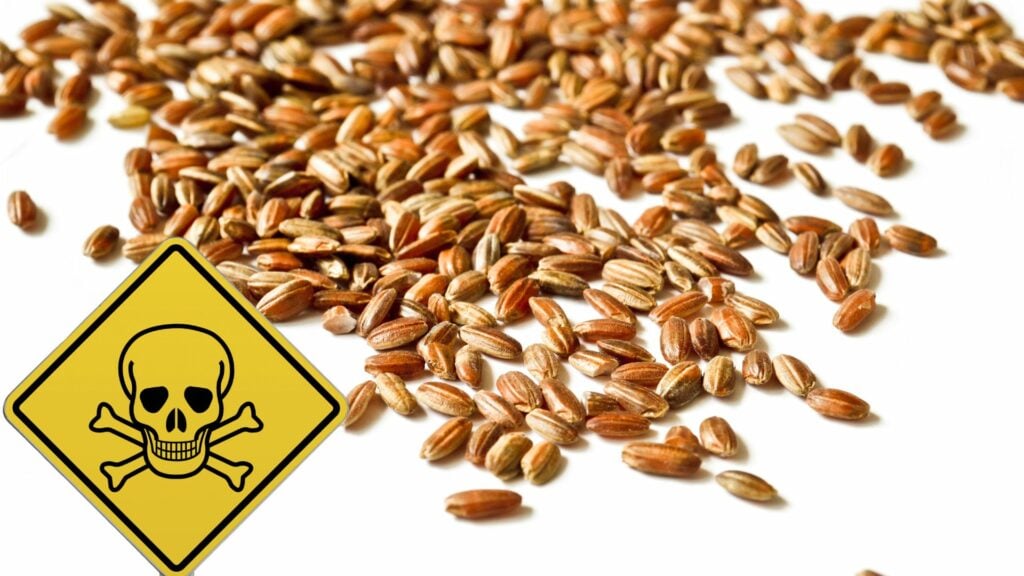
The hidden dangers of eating too much brown rice
Is brown rice unhealthy?
Brown rice has become increasingly popular in recent years as a healthy alternative to white rice. It is often praised for its higher nutritional value and... lower glycemic index, which means it is digested more slowly and keeps blood sugar levels stable. However, there are also hidden dangers such as the toxic asrene associated with consuming too much brown rice. In this article, we will explore these and discuss how to eat brown rice safely.
Too little research data on the consequences of arsenic in brown rice
There is a distinct lack of research focusing on human consumption of brown rice with a risk-benefit approach. The fact that brown rice contains more arsenic than white rice cannot be denied, and the health risks of dietary exposure to arsenic are well established. Health effects of arsenic exposure depend on several factors, such as the type of arsenic (organic or inorganic), the level of exposure, and the age of the person exposed to arsenic.
Health risks of arsenic
Arsenic exposure has been linked to cancers, cardiovascular disease, diabetes mellitus, hypertension and obesity. Although risk-benefit assessment of food is a challenging new area in food safety research, future studies should include assessment to validate findings and strengthen evidence. In the meantime, consumers should be aware that the dose of arsenic exposure determines toxicity and that brown rice contains a greater concentration of arsenic than white rice. (source 1.)
Key findings arsenic
- Brown rice is popular as a healthy alternative, but can lead to arsenic poisoning if consumed in excess.
- Arsenic occurs naturally in rice and brown rice contains more arsenic than white rice.
- Symptoms of arsenic poisoning include rash, abdominal pain and increased risk of cancer.
- The recommended daily allowance of brown rice is 1-2 servings per week and safe arsenic levels are less than 0.1 mg/kg.
- Variety in the diet and choosing alternatives with less arsenic are important to reduce exposure.
The risk of arsenic poisoning from consuming too much brown rice
Arsenic is a toxic heavy metal that occurs naturally in soil and some water sources. It can enter rice through absorption from the soil and water in which it is grown. Brown rice poses a higher risk of arsenic poisoning because the outer husk, which is normally removed when making white rice, may contain arsenic.
It is important to know that arsenic is present in small amounts in many foods, including vegetables, fruits and grains. However, the World Health Organization has established guidelines for daily arsenic intake and safe levels for several foods, including brown rice. It is essential to follow these guidelines to minimize the risk of arsenic poisoning.
Symptoms of arsenic poisoning and its harmful effects on health
Arsenic poisoning can cause several symptoms, including abdominal pain, nausea, vomiting, diarrhea and rash. Long-term exposure to high levels of arsenic can cause serious health problems, such as skin abnormalities, nerve damage and even cancer. It is important to be aware of these symptoms and the possible long-term effects of arsenic poisoning.
Arsenic content in brown rice and its alternatives
Fortunately, there are alternative grains that have lower arsenic levels than brown rice. Some examples include quinoa, buckwheat, millet and oats. These grains can easily be integrated into your diet as a replacement for brown rice. For example, you can use quinoa as a base for salads or use buckwheat flour to make pancakes. It's important to experiment with different grains to discover which ones best suit your tastes and needs.
| Food | Arsenic content per kg (uncooked) | Protein per 100 grams | Calories per 100 grams | Fiber per 100 grams |
|---|---|---|---|---|
| Brown rice | 0.15-0.20 mg | 2.7 | 111 | 1.8 |
| White rice | 0.02-0.05 mg | 2.7 | 130 | 0.6 |
| Wild rice | 0.06-0.14 mg | 6 | 357 | 3 |
| Quinoa | 0.02-0.05 mg | 4.4 | 120 | 2.8 |
| Barley | 0.02-0.05 mg | 2.3 | 354 | 17 |
| Couscous | 0.02-0.05 mg | 3 | 376 | 3 |
| Oatmeal | <0.01mg | 6 | 68 | 1.7 |
| Buckwheat | <0.01mg | 3 | 343 | 10 |
| Millet | <0.01mg | 3 | 378 | 8 |
| Wild rice | 0.06-0.14 mg | 6 | 357 | 3 |
Note table: The estimated values for arsenic content in cooked and raw states are based on various studies and may vary depending on the source and processing of the food product. In general, brown rice has the highest arsenic content of the grains mentioned, while white rice has a lower arsenic content but also lower nutritional value compared to other grains such as quinoa and barley that have higher protein and fiber content.
Arsenic is present in many foods, high exposure to inorganic arsenic can be harmful to human health and can increase the risk of certain cancers and other health problems over time. You can reduce arsenic exposure by rinsing rice before cooking, using a higher water-to-rice ratio when cooking, and varying their grain intake to include a variety of grains in their diet for optimal nutrition and reduced exposure to contaminants such as arsenic.
Which countries have lower arsenic levels in rice?
Research has found that rice from certain regions, such as Asia and South America, may generally contain higher levels of arsenic. This may be due to the soil quality and agricultural practices in those regions. Brown Basmati rice from India and Pakistan is known to contain relatively low levels of arsenic, while rice from Bangladesh and parts of China can contain higher levels. It is important to know where your rice comes from so that you can make a responsible choice for rice with lower arsenic levels. Read the labels of the rice you buy to know where your rice comes from.

How does arsenic get into rice?
Arsenic occurs naturally in soil and water, so it can be easily absorbed by rice plants as they grow. In addition, human activities such as mining, industrial processes and pesticide use can contribute to the contamination of rice with arsenic.
In areas where water and soil naturally contain arsenic, irrigation water used to irrigate rice fields may contain arsenic. This can lead to a build-up of arsenic in the rice plants. In addition, pesticides used to protect rice crops from pests may contain arsenic, which can also contribute to the contamination of rice.
| Cause | Effect |
|---|---|
| Arsenic in the soil | Uptake by rice plants |
| Use of pesticides and fertilizers | Increased arsenic concentrations in the soil |
| Industrial pollution | Arsenic deposition on rice fields |
| Use of contaminated irrigation water | Arsenic uptake by rice plants |
| Processing of rice | Concentration of arsenic in rice products |
How to make brown rice safer to eat
There are several ways you can reduce the arsenic content in brown rice. One is to rinse the rice thoroughly before cooking to wash away any arsenic particles present. Another method is to cook the rice in a larger amount of water and then drain the excess water. This is because arsenic, just like microplastic, it is soluble in water. It is also important to purchase brown rice from reliable sources that offer carefully tested rice with lower arsenic levels.
The importance of varying your diet to reduce arsenic exposure
Consuming a variety of grains can help reduce arsenic exposure. By including a variety of grains in your diet, you spread the risk of arsenic poisoning and get a wider range of nutrients. For example, you can alternate between brown rice, quinoa, buckwheat and millet to make your meals more varied and nutritious.
Vulnerability of children and pregnant women to arsenic poisoning
Children and pregnant women are particularly vulnerable to the harmful effects of arsenic poisoning. Children have still developing organs and systems, making them more sensitive to the negative effects of arsenic. Pregnant women are also at increased risk because arsenic can affect fetal development. It is therefore essential that children and pregnant women take extra care when consuming brown rice and other foods containing arsenic.
Questions and Answers Arsenic in Brown Rice
There are several ways you can reduce the arsenic content in rice during the cooking process. One of the most effective methods is to rinse the rice thoroughly with water before cooking. This can help flush out any loose arsenic particles that may be present. It is also advisable to cook rice with a larger amount of water than normal, similar to cooking pasta. Cooking the rice this way absorbs and discards some of the arsenic in the cooking water. It is important to know that these methods can reduce the arsenic content in rice, but it is not possible to eliminate it completely.
If you are concerned about the arsenic content in rice, there are several alternatives available that do not contain arsenic. Quinoa, buckwheat, millet and oats are some examples of grains that can be used as an alternative to rice. These grains have different nutritional profiles and can be a healthy addition to your diet. It's important to vary your food choices to get a wide range of nutrients.
It is especially important to be aware of the arsenic content in baby food, as infants and young children may be more sensitive to the effects of arsenic. Rice-based baby food may contain higher levels of arsenic than other types of baby food. It is advisable to limit the consumption of rice products for babies and young children and, if possible, opt for alternatives such as pureed fruits and vegetables.
Eating too much brown rice can lead to excessive arsenic intake, which can lead to long-term health problems.
The safe amount of brown rice you can eat depends on your age, gender and weight. In general, it is recommended to eat no more than 1-2 servings of brown rice per week.
Arsenic is a toxic chemical element that occurs naturally in the Earth's crust. It can occur in small amounts in food and water. Long-term exposure to arsenic can lead to health problems such as skin disorders, cancer and cardiovascular disease.
Brown rice contains more arsenic than white rice because the outer layer of the rice grain, which is removed in white rice, contains more arsenic. It is therefore important to wash and cook brown rice well to reduce the arsenic content.
Yes, there are alternatives to brown rice such as quinoa, bulgur, couscous and barley. These grains generally contain less arsenic than brown rice.
You can reduce your arsenic intake by not eating too much brown rice and choosing alternatives such as quinoa, bulgur, couscous and barley. In addition, it is important to wash and cook brown rice well to reduce the arsenic content.