
Why calves are the second heart of our body
Kuitspieren, ook wel bekend als de tweede hart van ons lichaam, spelen een cruciale rol in onze gezondheid, sportprestaties and het voorkomen van blessures of lichaamsklachten. Hoewel ze vaak over het hoofd worden gezien, zijn het hebben van sterke kuitspieren essentieel voor het bevorderen van een gezonde bloedsomloop, het voorkomen van spataderen and het verminderen van het risico op hart- and vaatziekten.
In this article we will delve deeper into the function of calf muscles in our body, their role in promoting healthy circulation and preventing varicose veins, as well as their impact on sports performance and general health.
The function of calf muscles in our body
The calf muscles, also known as the gastrocnemius and soleus, are located at the back of the lower leg. They are responsible for various movements, such as extending the foot and bending the knee. The gastrocnemius is the largest muscle in the calf and gives shape to the calf. The soleus is located deeper in the lower leg and is responsible for stability while walking and running.
These muscles work together to enable various movements, such as walking, running, jumping and climbing stairs. They are also involved in maintaining the balance and stability of the body. Strong calf muscles can contribute to better posture and mobility, reducing the risk of injury.
How training calf muscles contributes to healthy blood circulation
In addition to their role in movement, calf muscles also have an important function in promoting healthy circulation. When we walk or run, the calf muscles contract and push blood back to the heart. This is called the pump function of the calf muscles, or the muscle pump. This pumping movement improves blood circulation and sends oxygen-rich blood to different parts of the body.
Good blood circulation is essential for optimal health. It ensures that nutrients and oxygen are transported to the cells and waste products are removed. In addition, healthy circulation helps regulate body temperature and maintain healthy blood pressure. By regularly training the calf muscles, we can improve pump function and optimize blood circulation longer and healthier lifespan.
Wetenschap: het verband tussen kuitspieren and hart- and vaatziekten
Several scientific studies have shown that there is a connection between zwakke kuitspieren and een verhoogd risico op hart- and vaatziekten. Een onderzoek uitgevoerd aan de Universiteit van Harvard toonde aan dat mensen met zwakke kuitspieren een hoger risico hadden op het ontwikkelen van hart- and vaatziekten, ongeacht andere risicofactoren zoals leeftijd, geslacht and body mass index.
Risicofactoren voor hart- and vaatziekten: Welke rol spelen zwakke kuitspieren hierin?
Zwakke kuitspieren kunnen een negatieve invloed hebben op andere risicofactoren voor hart- and vaatziekten. Bijvoorbeeld, mensen met zwakke kuitspieren hebben vaak een verminderde fysieke activiteit, wat kan leiden tot overgewicht and obesitas. Daarnaast kan een verminderde bloedcirculatie als gevolg van zwakke kuitspieren leiden tot de vorming van bloedstolsels, wat het risico op een hartaanval of beroerte verhoogt.
Symptoms of weak calf muscles: How do you recognize them?
Recognizing weak calf muscles can sometimes be difficult, because the symptoms are often subtle and develop gradually. Some common symptoms include:
- Pain and fatigue in the calves, especially after standing or walking for a long time.
- Cramps and spasms may occur, indicating decreased muscle strength.
- The mobility of the legs and feet deteriorates, which can make it difficult to perform normal daily activities.
It is important to take these symptoms seriously and seek medical attention if necessary. A doctor or physiotherapist can diagnose and develop a treatment plan to strengthen the calf muscles
Do diet and supplements help strengthen the calf muscles?
In addition to exercise, nutrition also plays an important role in strengthening the calf muscles. A balanced diet rich in proteins, healthy fats and complex carbohydrates can help with muscle building and recovery. It is important to get enough nutrients to nourish and support the muscles.
Due to European legislation, we are not allowed to provide complete information online about supplements that support strong muscles. Due to this strict legislation, we are only allowed calcium, potassium and magnesium and vitamin D advice regarding the functioning of the muscles.

Training weak calf muscles
Several treatment options are available to strengthen weak calf muscles. One of the most effective ways is through exercises and training. Specific exercises aimed at strengthening the calf muscles, such as calf raises and jumps, can help increase muscle strength.
In addition, physiotherapy can be a valuable addition to the treatment plan. A physical therapist can help develop a personalized exercise program and can also use other treatment techniques, such as massage and stretching, to strengthen the calf muscles.
The role of sport and exercise: Which exercises are good for the calf muscles?
In addition to specific exercises aimed at the calf muscles, it is also important to combine other forms of exercise and sports to increase overall muscle strength. Activities such as walking, jogging, cycling and swimming can all help strengthen the calf muscles and improve blood circulation.
It is advisable to start with light exercises and gradually increase the intensity and duration. It is also important to listen to the body and rest when necessary. It is always wise to seek advice from a professional, such as a physiotherapist, before starting a new exercise program.
The basic principles of calf muscle training
To train your calf muscles effectively, it is important to understand the anatomy of the calf muscles. The calf muscles consist of two major muscle groups: the gastrocnemius and the soleus. The gastrocnemius is the large muscle at the back of the lower leg and is responsible for flexing the knee and extending the foot. The soleus is located beneath the gastrocnemius and is responsible for extending the foot.
It is also important to know that the calf muscles are best trained with a combination of exercises. It is not enough to do just one exercise, as this will not train the muscles in a balanced way. That's why it's important to do different exercises that target both the gastrocnemius and the soleus.
Kuitspier-training voor thuis
| Excercise | Description |
|---|---|
| Jumping jacks | Jump and spread your arms and legs while jumping |
| Single leg calf raise | Stand on one leg and rise on your toes and slowly lower down |
| Donkey calf raise | Sit on your hands and knees and rise on your toes and slowly lower yourself down |
| Seated calf raise | Sit with weight on your knees and rise on your toes and slowly lower down |
| Calf raises on step | Stand with your feet on a raised platform, lower your heels and push yourself up onto your toes |
| Wall sit with calf raises | Sit against a wall as if you were sitting in a chair, rise to your toes and slowly sink back down |
| Box jumps | Spring op and neer van een verhoging of box |
| Standing calf raise | Sta rechtop met gewicht op je schouders, kom op je tenen and zak langzaam naar beneden |
| Toe raises | Sta rechtop, kom langzaam op je tenen and zak weer naar beneden |
| Calf press | Zit met gewichten op je knieën, kom op je tenen and zak langzaam naar beneden |
There are several exercises you can do at home to train your calf muscles without using equipment. One of the most effective exercises is the calf raise. Stand with your feet on the edge of a raised platform, lower your heels and push yourself up onto your toes. Repeat this movement for several repetitions.
Another exercise you can do at home is the wall sit with calf raise. Stand with your back against a wall and slowly lower yourself as if you were sitting in a chair. Hold this position and then do calf raises by standing on your toes and sinking back down.
Alternative ways to train your calf muscles
In addition to specific exercises, you can also undertake other activities to strengthen your calf muscles. Activities such as walking, jogging, cycling and swimming can all help strengthen the calf muscles. These activities strain the muscles in a different way than traditional strength exercises and can be a good addition to your training schedule.
Daarnaast kan cross-training ook voordelen bieden voor het versterken van de kuitspieren. Cross-training omvat het combineren van verschillende soorten training, zoals krachttraining, cardio and flexibiliteitstraining. Door verschillende trainingsvormen te combineren, belast je de spieren op verschillende manieren and stimuleer je de groei and krachtontwikkeling.
The use of resistance bands for calf muscle training
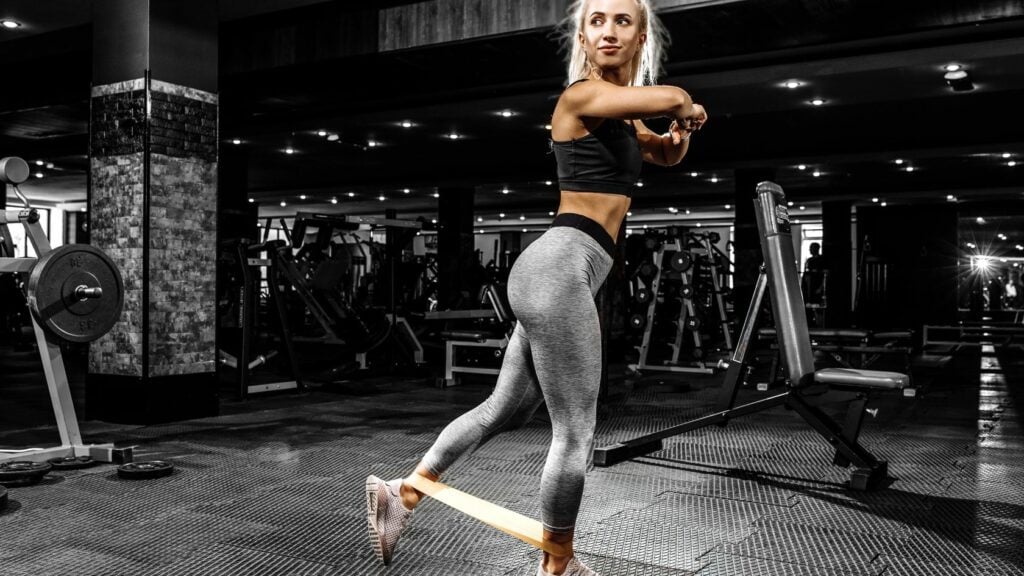
Resistance bands can be an effective tool for training your calf muscles without going to the gym. They provide resistance during the exercises and help strengthen the muscles. You can use resistance bands for exercises such as calf raises, side leg lifts and resistance jumps.
There are several benefits to using resistance bands. First, they are portable and easy to carry, allowing you to exercise anywhere. Secondly, they offer progressive resistance, meaning you can adjust the resistance to your level of strength and fitness. This makes it possible to gradually get stronger and challenge your muscles.
Calf massage for the muscles
A calf massage can provide several benefits for the muscles. First, it can help reduce muscle soreness and stiffness after an intense workout or activity. Massaging the muscles can release any built-up tension, reducing pain.
In addition, a calf massage can also help improve the flexibility of the muscles. Massaging and stretching the muscles can help them become more flexible and have a greater range of motion. This can be especially beneficial for athletes who need good mobility in the calf muscles.
Another benefit of a calf massage is improving blood circulation and reducing swelling. Massaging the muscles stimulates blood circulation, which transports nutrients and oxygen to the muscles faster. This can help reduce swelling and speed up the recovery process after an injury.
Tips for massaging your own calf muscles
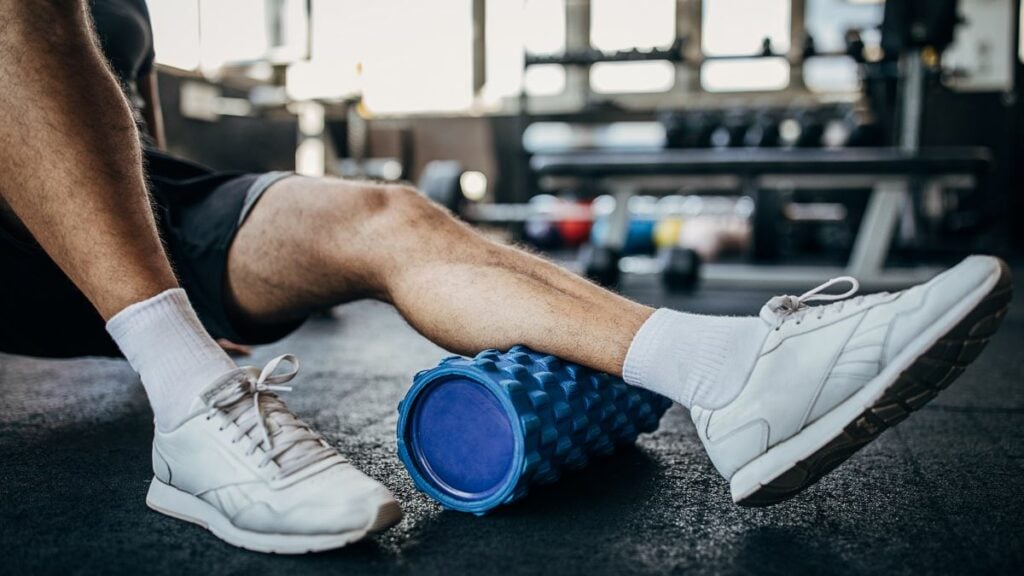
If you don't have access to a professional masseur, you can also massage your calf muscles yourself. A foam roller or massage ball can be useful for this. Start with light pressure and build up slowly, paying extra attention to the areas that feel most tense. It is important to remember that self-massage may not be as deep and intensive as a professional massage, but it can still help relax muscles and improve blood circulation.
How stretching strengthens the calf muscles
Stretching can not only help improve flexibility and prevent injuries, but it can also strengthen the calf muscles. Stretching regularly can stimulate muscles to grow and recruit more muscle fibers during exercise or training.
In addition, stretching can help improve muscle endurance and prevent muscle fatigue. Stretching regularly can help muscles resist fatigue and work longer before becoming exhausted. This can be especially beneficial for people who participate in endurance sports or run long distances.
Additionally, stretching can help improve muscle activation and promote better coordination between the muscles. Regular stretching helps the muscles work better together and work more efficiently during physical activities. This can lead to better sports performance and a reduced risk of injuries.
What are possible causes of weak calf muscles
- Overload
- Sitting for long periods of time
- Lack of exercise
- Wrong shoes
- Age
- Genetics
- Power supply
- Illness and medication
- Stress:
- Bad attitude
Overuse: A common cause of weak calf muscles
Overload is a common cause of weak calf muscles. It occurs when the muscles are exposed to repetitive or excessive strain without adequate rest or recovery time. This can lead to muscle fatigue, pain and ultimately weakness.
To avoid overload, it is important to gradually build up when training the calf muscles. Start with light exercises and gradually increase the intensity and duration. In addition, it is essential to schedule sufficient rest days to allow the muscles to recover. Using good technique and wearing appropriate footwear can also help prevent overexertion.
The impact of sitting at work
A sedentary lifestyle, characterized by prolonged sitting and little exercise, can negatively impact the health of calf muscles. Sitting for long periods of time can lead to muscle weakness and stiffness in the calf muscles, which can lead to problems such as reduced mobility and an increased risk of injury.
To keep our calf muscles healthy despite a sedentary lifestyle, it is important to exercise regularly and stay active. Taking short breaks to stand and stretch throughout the day can help promote blood circulation in the calf muscles and reduce muscle stiffness.
Lack of exercise: How inactivity can lead to weak calf muscles
Exercise is essential for strong calf muscles. A lack of physical activity can lead to muscle weakness and atrophy, resulting in weak calf muscles. When the muscles are not used regularly, they lose strength and flexibility.
To prevent weak calf muscles due to inactivity, it is important to exercise regularly. This can vary from walking and cycling to specific exercises aimed at strengthening the calf muscles, such as calf raises and jumps. It is also advisable to maintain an active lifestyle and reduce sedentary behavior.
The importance of good footwear for strong calf muscles
Good footwear plays a crucial role in maintaining strong calf muscles. Wearing the wrong shoes can lead to poor posture, improper foot alignment and calf muscle strain.
It is important to choose shoes that fit well and provide sufficient support for the feet and ankles. Shoes with a sturdy heel counter and good cushioning can help absorb shock while walking or running, reducing the strain on the calf muscles. In addition, shoes with good grip and stability can help prevent slips and sprains.
It is advisable to seek advice from a professional when choosing the right shoes for your specific needs. Investing in high-quality footwear can contribute to strong and healthy calf muscles in the long term.
Age affects the strength of your calf muscles
A study published in the Journal of Aging and Physical Activity showed that older adults often have weaker calf muscles than younger adults. This can be attributed to factors such as reduced physical activity, loss of muscle mass and decrease in blood circulation.
To maintain or improve the strength and function of calf muscles as we age, it is important to continue exercising regularly. By incorporating exercises such as calf raises and walking into our daily lives, we can maintain the strength and function of calf muscles and improve the body's mobility and stability.
In addition, it is important to take into account any limitations or health problems that may arise as you get older. Always consult a doctor or physical therapist before starting a new exercise program, especially if you have pre-existing health problems.
Are weak calf muscles hereditary?
Hoewel genetica een rol kan spelen bij de ontwikkeling van zwakke kuitspieren, is het niet de enige bepalende factor. Genetische aanleg kan invloed hebben op de spierstructuur and -samenstelling, maar levensstijlfactoren zoals beweging, voeding and omgevingsinvloeden spelen ook een belangrijke rol.
If weak calf muscles are hereditary, it is still possible to improve the strength of this muscle group through targeted exercises and a healthy lifestyle.
The importance of nutrition for strong muscles, including the calf muscles
Power supply speelt een cruciale rol bij het behouden van sterke kuitspieren. Het consumeren van de juiste voedingsstoffen kan bijdragen aan spierherstel, -opbouw en -onderhoud.
Belangrijke voedingsstoffen voor sterke kuitspieren zijn eiwitten, vitamin D, calcium en magnesium. Eiwitten zijn essentieel voor spierherstel en -opbouw, terwijl vitamin D, calcium en magnesium belangrijk zijn voor de botgezondheid en spiercontractie.
Foods rich in protein include lean meats, fish, eggs, dairy products, legumes and nuts. Vitamin D can be obtained from sunlight, oily fish and fortified foods. Calcium can be found in dairy products, green leafy vegetables and nuts. Magnesium is present in whole grains, nuts, seeds and green leafy vegetables.
To ensure you get enough of these nutrients, it's important to eat a varied diet rich in fresh, unprocessed foods. It may also be helpful to consider nutritional supplements to complement a healthy diet.
How illness and medication can contribute to weak calf muscles
Certain diseases and medications can contribute to weak calf muscles. Diseases such as muscular dystrophy, neuropathy and rheumatoid arthritis can lead to muscle weakness and atrophy, including that of the calf muscles. In addition, certain medications, such as corticosteroids, muscle relaxants and some chemotherapy drugs, can have side effects that can reduce muscle strength.
If you are ill or taking medication and have weak calf muscles, it is important to talk to a doctor about possible treatment options. Physical therapy can help strengthen muscles and improve mobility. In addition, adjusting medications or seeking alternative treatments can also be helpful.
The influence of stress on the muscles, including the calf muscles
Stress can negatively affect muscles, including the calf muscles. Prolonged stress can lead to muscle tension, fatigue and ultimately weakness.
To reduce the impact of stress on the calf muscles, it is important to use relaxation techniques such as meditation, breathing exercises and yoga. These activities can help reduce muscle tension and promote relaxation.
How poor posture can lead to weak calf muscles
Poor posture can lead to weak calf muscles. When the posture is not optimal, the calf muscles can become overloaded and weaken.
Om een goede houding te behouden and sterke kuitspieren te ontwikkelen, is het belangrijk om aandacht te besteden aan de juiste lichaamshouding tijdens dagelijkse activiteiten, zoals zitten, staan and lopen. Het versterken van de core-spieren kan ook bijdragen aan een betere houding and stabiliteit.
Conclusion
Een goede bloedcirculatie is essentieel voor een optimale gezondheid, and zwakke kuitspieren kunnen een negatieve invloed hebben op dit proces. Door de kuitspieren te versterken, kan de bloedcirculatie worden verbeterd, wat op zijn beurt het risico op hart- and vaatziekten kan verminderen.
Het versterken van de kuitspieren is slechts één aspect van een gezonde levensstijl and preventie van hart- and vaatziekten. Het is belangrijk om ook andere risicofactoren aan te pakken, zoals hoge bloeddruk, diabetes and een ongezonde levensstijl.
Door bewust te zijn van de relatie tussen kuitspieren and hart- and vaatziekten, and door actie te ondernemen om de kuitspieren te versterken, kunnen we een belangrijke stap zetten in het voorkomen van deze ernstige gezondheidsproblemen.
Key points
- Zwakke kuitspieren kunnen het risico op hart- and vaatziekten vergroten.
- Calf muscles play an important role in blood circulation in the body.
- Wetenschappelijke studies tonen aan dat er een verband is tussen zwakke kuitspieren and hart- and vaatziekten.
- Naast andere risicofactoren kunnen zwakke kuitspieren bijdragen aan het ontstaan van hart- and vaatziekten.
- Het versterken van de kuitspieren kan helpen bij het voorkomen van hart- and vaatziekten.
Questions and answers strong calf muscles
Het trainen van kuitspieren kan helpen bij het verbeteren van de stabiliteit van de enkel and het verminderen van blessures, rugklachten voorkomen and werkt preventief op hart- and vaatziekten. Daarnaast kunnen goed ontwikkelde kuitspieren zorgen voor een betere balans and een mooier gevormd onderbeen.
Yes, it is possible to train your calf muscles without a gym. There are several exercises you can do at home, such as calf raises and jump squats.
Enkele oefeningen die je thuis kunt doen om je kuitspieren te trainen zijn calf raises, jump squats, lunges and stair step-ups.
It is recommended to train your calf muscles two to three times a week. It is important to take sufficient rest between training sessions so that the muscles can recover.
You can use weights to train your calf muscles, but it is not necessary. You can also get a good workout by using your own body weight.
If you train too hard or do not perform the exercises correctly, this can lead to injuries to the calf muscles or other parts of the body. It is therefore important to build up the exercises slowly and use the correct technique.
There are several causes of weak calf muscles, including lack of exercise, a sedentary lifestyle, poor diet, injury or illness, and genetic factors.
There are several ways to strengthen your calf muscles, including regular exercise, such as walking, jogging, cycling and swimming, strength training, such as squats and lunges, and stretching exercises, such as the calf stretch.
Strong calf muscles can help improve overall body strength and endurance, reduce the risk of injury, improve balance and stability, and improve blood circulation in the legs.
Sterke kuitspieren zijn belangrijk voor het voorkomen van hart- and vaatziekten omdat ze een belangrijke rol spelen bij de bloedcirculatie. De kuitspieren fungeren als een soort pomp die het bloed terug naar het hart stuwt. Hoe sterker de kuitspieren, hoe beter de bloedcirculatie and hoe kleiner de kans op hart- and vaatziekten.