
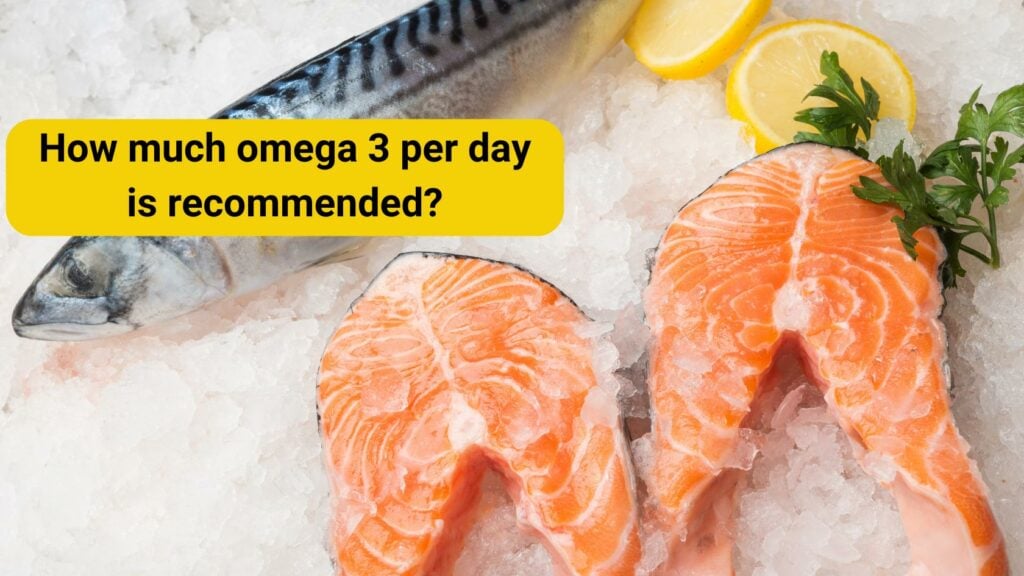
How much Omega 3 do you need per day? Find out here!
Omega-3 is an essential fatty acid that is vital for overall health. It plays a crucial role in the development and functioning of the brain, heart, eyes, and immune system. It is important to know how much Omega-3 you need per day, as a deficiency in this fatty acid can lead to various health problems. In this article, we will discuss how much Omega-3 children, dogs, and adults need daily, which foods are rich in Omega-3, and how you can ensure you get enough.
What exactly is omega 3?
To answer the question of how much Omega-3 is necessary per day, we will first explain exactly what Omega-3 is. Omega-3 consists of Omega-3 fatty acidsThese form a group of essential unsaturated fatty acids that play an important role in a healthy diet.
Within this group, there are three important types of omega-3 fatty acids:
- ALA: alpha-linolenic acid
- EPA: eicosapentaenoic acid
- DHA: docosahexaenoic acid
ALA is primarily found in certain plant-based products, while EPA and DHA occur in fish oil, among other things.
How much Omega-3 do you need daily?
It is recommended that adults consume a certain amount of Omega 3 daily. The exact recommended daily amount may vary depending on factors such as general health status or age. However, it is generally recommended that adult men and women require 250mg to 500mg of EPA+DHA per day. Omega 3 is important for the overall health of adults and can help reduce inflammation, improve heart health, and support a healthy brain function.
| Age group | ALA (grams per day) | EPA + DHA (milligrams per day) |
|---|---|---|
| Adults (men) | 1.6 | 250-500 |
| Adults (women) | 1.1 | 250-500 |
| Children (1-3 years) | 0.7 | – |
| Children (4-8 years) | 0.9 | – |
| Children (9-13 years) | 1,2 | – |
| Teenagers (14-18 years) | 1.6 (boys) / 1.1 (girls) | – |
| Pregnant women | 1.4 | 300 |
| Breastfeeding women | 1.3 | 300 |
The recommended amount for EPA and DHA is a range, as individual needs can vary.
Sources: Nutritional guidelines from health organizations such as the World Health Organization (WHO), the Netherlands Nutrition Centre, and the Health Council.
How much Omega 3 do you need for fitness or bodybuilding?
For athletes and people actively engaged in fitness or bodybuilding, the need for Omega-3 may be higher than for the average person, according to a 2018 publication in the journal Nutrients. Athletes may benefit from consuming approximately 2 to 3 grams of Omega-3 daily, of which up to 1 gram is RDA and APA. Omega-3 can have various benefits for fitness and bodybuilding, including reducing inflammation after intense training, improving muscle growth, and promoting healthy joint function.
How do you ensure you get enough Omega 3?
Er zijn verschillende manieren waarop je ervoor kunt zorgen dat je voldoende Omega 3 binnenkrijgt. Een van de beste manieren is door het opnemen van Omega 3-rijke voedingsmiddelen in je dieet. Je kunt bijvoorbeeld vette vis Add aan je maaltijden of snacks met lijnzaad of chiazaad eten. Het is ook belangrijk om variatie aan te brengen in je Omega 3-bronnen, omdat verschillende voedingsmiddelen verschillende soorten Omega 3 bevatten.
Can you replenish omega-3 with supplements?
You can also consider taking Omega-3 supplements to complement your diet. These supplements are available in various forms, such as fish oil, capsules, or algae oil (capsules).
Fish oil supplements are a popular source of omega-3 fatty acids (EPA and DHA), but there are also supplements available that derive omega-3 fatty acids from algae, which is a good option for people who do not eat fish and also contains ALA. We have compared the best and best-selling fish oil supplements; go to the study: Eqology fish oil compared to Arctic Blue

Foods with Omega-3
| Food product per 100 grams | ALA (grams) | DHA (grams) | EPA (grams) |
|---|---|---|---|
| Flaxseed oil | 53.30 | – | – |
| Chia seeds | 17.55 | – | – |
| Walnuts | 6.77 | – | – |
| Flaxseed, whole | 22.80 | – | – |
| Salmon | 0.01 | 1.24 | 0.59 |
| Mackerel | 0.10 | 0.59 | 0.43 |
| White tuna, canned in water, drained | 0.02 | 0.33 | 0.05 |
| Herring | 0.06 | 0.94 | 0.77 |
| Sardines, canned in oil, drained | 0.01 | 0.74 | 0.45 |
| Rapeseed oil | 9.56 | – | – |
| Soybean oil | 6.80 | – | – |
| Oysters | 0.11 | 0.23 | 0.30 |
| Lobster | 0.07 | 0.07 | 0.10 |
| Cod | 0.01 | 0.10 | 0.04 |
| Trout | 0.37 | 0.72 | 0.47 |
| Rapeseed oil | 9.56 | – | – |
| Soybean oil | 6.80 | – | – |
What to look out for when you want to get omega-3 from your diet, such as fish
- Farmed fish are fed cheap feed, while wild fish find their food in the wild. This can lead to differences in the levels of omega-3 fatty acids, such as DHA and EPA. In general, wild fish species have a higher content of omega-3 fatty acids than farmed fish.
- Farmed fish can even a have a higher environmental impact than wild fish, depending on factors such as the feed used, the level of pollution, and the use of antibiotics in the farms. Some farmed fish species are fed fishmeal and fish oil, which can contribute to overfishing and ecological disruption in the oceans. Furthermore, dense populations in fish farms can lead to water pollution and the spread of diseases.
- Farmed fish may contain higher levels of contaminants., such as PCBs (polychlorinated biphenyls) and dioxins, than wild fish. This is because farmed fish are often exposed to contaminants in their environment, such as pesticides and antibiotics used in aquaculture.
These differences do not apply to all farmed fish species. Some farmed fish species can meet strict environmental standards and health regulations. Are you going for farmed fish? Then choose organically farmed fish.
Differences between Omega 3 from food and supplements
There are some differences between obtaining Omega 3 from food and taking supplements. Consuming Omega 3-rich foods provides not only Omega 3 but also other nutrients that are important for overall health. On the other hand, supplements can be a convenient option if you struggle to get enough Omega 3 from your diet. It is important to remember that supplements are not a substitute for a healthy diet and lifestyle.
Risks of an Omega-3 deficiency
A Omega 3 deficiency can lead to various health problems. For example, it can lead to inflammation, reduced brain function, an increased risk of cardiovascular disease, and poor eye health. It is therefore important to ensure that you get enough Omega 3 to reduce these risks. If you suspect that you have an Omega 3 deficiency, it is advisable to discuss this with your doctor.
Can you consume too much Omega 3?
Although Omega-3 is important for health, it is also possible to consume too much. An excess of Omega-3 can lead to blood thinning, which can result in an increased risk of bleeding. It is recommended not to consume more than 3 grams of Omega-3 per day, unless under medical supervision. It is important not to exceed the recommended upper limit to prevent potential health problems.
Conclusion
Omega-3 is an essential fatty acid that is vital for overall health. It is important to know how much Omega-3 you need, depending on your age, gender, health status, and activity level. By incorporating Omega-3-rich foods into your diet and taking supplements if necessary, you can ensure you get enough Omega-3. It is also important to regularly measure and track your Omega-3 intake to ensure you reach the recommended amount. By being aware of your Omega-3 needs and ensuring you get enough, you can contribute to optimal health and well-being.
Questions and answers
How much Omega 3 do I need?
The recommended daily amount of Omega 3 for adults is 250-500 milligrams of EPA and DHA per day. A lower dosage applies to children.
What are the benefits of Omega 3?
Omega-3 has various health benefits, including lowering the risk of cardiovascular disease, improving brain function, and reducing inflammation in the body.
Where is Omega 3 found?
Omega-3 is found primarily in fatty fish, such as salmon, mackerel, and herring. There are also plant-based sources of Omega-3, such as flaxseed oil, chia seeds, and walnuts.
Can I consume too much Omega 3?
Yes, it is possible to consume too much Omega-3. An excess of Omega-3 can lead to bleeding and an increased risk of stroke. It is therefore important not to exceed the recommended daily amount.
Is it necessary to take Omega 3 supplements?
It is not strictly necessary to take Omega 3 supplements if you get enough Omega 3 through your diet. However, if you do not get enough Omega 3, a supplement can be a good addition.