
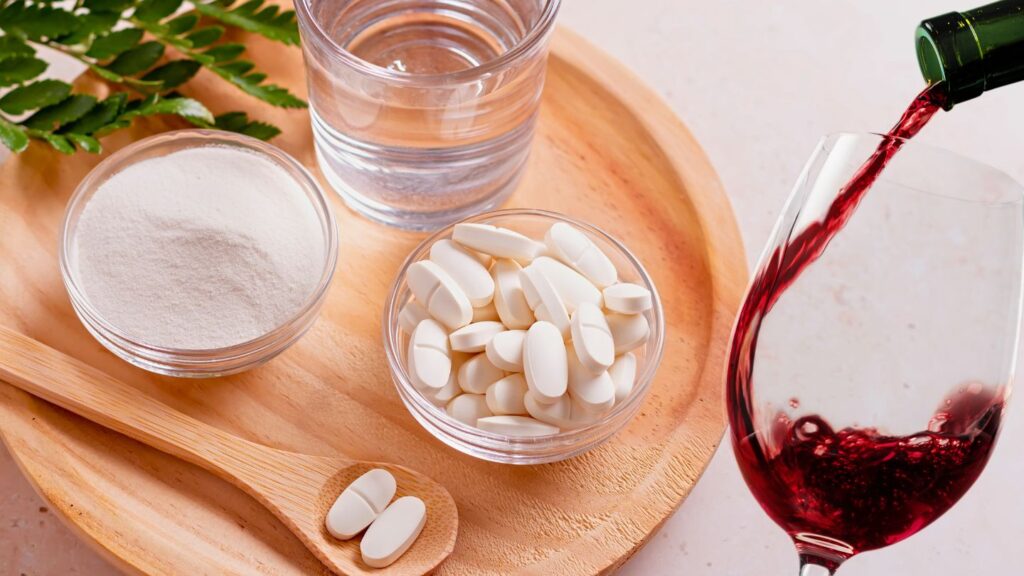
The points discussed in this article
- A vitamin deficiency occurs when the body does not get enough essential vitamins.
- Alcohol consumption can hinder the absorption of vitamins in the body, from just 1 to 2 glasses per day
- Common vitamin deficiencies associated with alcohol consumption are vitamin B1, B6, B12, folic acid and vitamin D.
- Vitamin deficiencies can lead to several health problems, including fatigue, anemia and neurological disorders.
- Medical attention is necessary when the symptoms of a vitamin deficiency are severe or when there are long-term deficiencies.
The relationship between vitamin deficiency and alcohol
A vitamin deficiency is when your body does not get enough of a certain vitamin. This can be due to several causes, such as an unhealthy diet or certain medical conditions. However, one of the main causes is excessive alcohol consumption. Alcohol can reduce the absorption and availability of essential vitamins in your body, which can cause you to develop vitamin deficiencies.
Vitamin deficiencies can cause unpleasant symptoms such as fatigue, concentration problems, reduced resistance and other health problems. If you recognize in time whether you have a vitamin deficiency, you can do something about it in time. In this article we explain what the consequences of a vitamin deficiency due to alcohol consumption can be and how you can tackle this.
The impact of alcohol on vitamin absorption
Alcohol has a major influence on the way your body absorbs and uses vitamins. If you drink a lot of alcohol, more than 1 glass per day, this can make your body less able to absorb essential vitamins and minerals from your food. In addition, alcohol can also reduce the availability of these vitamins in your body.
This is because alcohol can disrupt the functioning of your digestive system and liver. This means that nutrients, including vitamins, are less well absorbed and processed. In addition, alcohol can cause your body to excrete certain vitamins more quickly, which can cause you to develop deficiencies. This especially applies to vitamins such as B1, B6, B12, folic acid and vitamin C.
Common vitamin deficiencies associated with alcohol consumption
Alcohol consumption can lead to various vitamin deficiencies. The most common are deficiencies of the B vitamins, such as vitamin B1 (thiamine), B6 and B12. In addition, deficiencies of folic acid and vitamin C can also occur.
Vitamin B1, for example, is very important for your energy metabolism and nervous system. A deficiency of this can lead to fatigue, memory problems and even serious conditions such as Wernicke-Korsakov syndrome. Deficiencies in vitamin B6 and B12 can also cause fatigue, concentration problems and anemia.
Folic acid is crucial for the production of red blood cells and the functioning of your nervous system. A deficiency of this can lead to anemia and neurological complaints. Vitamin C is important for your immune system and wound healing. A deficiency can cause a weakened immune system and problems with healing wounds.
Symptoms Vitamin deficiency due to alcohol use
| Vitamin/Minerals | Consequences of Shortage | How the shortage arises |
|---|---|---|
| Vitamin B1 (Thiamine) | Fatigue, muscle weakness, tingling, memory problems, Wernicke-Korsakov syndrome, Beriberi | Decreased absorption and increased excretion due to alcohol consumption |
| Vitamin B6 (Pyridoxine) | Irritability, depression, tingling, muscle cramps, glossitis, cheilitis | Reduced availability of active forms due to alcohol |
| Vitamin B12 (Cobalamin) | Fatigue, neuropathy, balance problems, memory loss, anemia | Reduced absorption in the stomach and intestines due to alcohol |
| Folic acid (Vitamin B11) | Fatigue, anemia, shortness of breath, memory problems, palpitations | Decreased absorption and increased excretion due to alcohol |
| Vitamin C (Ascorbic Acid) | Fatigue, muscle weakness, slow wound healing, susceptibility to infections, scurvy | Depletion of vitamin C stores by alcohol |
| Vitamin D | Weak bones, increased risk of fractures, muscle weakness, depressive feelings | Alcohol affects activation of vitamin D in the liver |
| Vitamin E | Muscle weakness, coordination problems, visual disturbances, reduced resistance | Reduced absorption of fat-soluble vitamins by alcohol |
| Vitamin K | Bruises, slowly clotting blood, bleeding gums, nosebleeds | Liver damage from alcohol reduces vitamin K stores |
| Magnesium | Muscle cramps, fatigue, arrhythmias, tremors, nausea | Increased urinary excretion due to alcohol consumption |
| Zinc | Poor wound healing, reduced resistance, skin problems, hair loss | Reduced absorption in the intestines and increased loss through urine |
| Potassium | Muscle weakness, cramps, fatigue, constipation, cardiac arrhythmia | Dehydration and increased loss through the kidneys due to alcohol |
| Calcium | Bone pain, osteoporosis, muscle cramps, tingling | Decreased absorption in the intestines and increased excretion through urine |
| Sodium | Nausea, fatigue, muscle weakness, convulsions | Loss through excessive urination or vomiting due to alcohol |
| Phosphorus | Muscle weakness, bone pain, fatigue, confusion | Impaired absorption due to alcohol consumption |
| Selenium | Reduced resistance, weak muscles, hair loss, reduced fertility | Poor nutrition and reduced absorption due to alcohol |
| Iron | Anemia, fatigue, pale skin, shortness of breath | Damage to the stomach lining and bleeding due to alcohol |
Consequences of vitamin deficiencies due to alcohol for health
| Facts about vitamin deficiency due to alcohol | Tips for recovery |
|---|---|
| Alcohol inhibits the absorption of vitamins | Take vitamin supplements |
| Deficiency of vitamins B, C, D, E, K and folic acid | Eat foods rich in vitamins and supplement with supplements where necessary |
| Can lead to neurological problems | Limit alcohol consumption and eat healthy |
The consequences of vitamin deficiencies due to alcohol consumption can be quite serious. You can suffer from it both physically and mentally.
- Physically, vitamin deficiencies can lead to symptoms such as fatigue, muscle weakness, tingling in the hands and feet, memory problems and a weakened immune system. In the long term, even serious conditions such as liver disease, heart problems and neurological disorders can develop.
- Vitamin deficiencies can also cause problems mentally. Think of concentration problems, mood swings, depression and dementia. These complaints can significantly affect daily functioning and quality of life.
It is therefore good to quickly recognize and address vitamin deficiencies, especially if you drink a lot of alcohol. Get tested regularly by your doctor and adjust your lifestyle to correct the deficiencies.
Which vitamin deficiencies can occur when drinking alcohol?
Vitamin B1 (Thiamine)
Alcohol consumption inhibits the absorption of vitamin B1 and increases its excretion through the urine. This can lead to:
- Fatigue
- Muscle weakness
- Tingling or numbness in hands and feet (peripheral neuropathy)
- Decreased appetite
- Memory problems or confusion
- Severe cases:
- Wernicke-Korsakov syndrome: Confusion, coordination problems, memory loss
- Beriberi: Nerve damage, heart problems, edema
Alcohol reduces the availability of active forms of vitamin B6, which can lead to:
- Irritability
- Depression or mood swings
- Tingling and numbness in hands and feet
- Muscle weakness or cramps
- Red, irritated tongue (glossitis)
- Cracks in the corners of the mouth (cheilitis)
Alcohol consumption disrupts the absorption of vitamin B12 in the stomach and intestines. Symptoms include:
- Fatigue and weakness
- Tingling or numbness in the extremities (neuropathy)
- Balance and coordination problems
- Cognitive decline, such as memory loss or confusion
- Anemia (macrocytic anemia)
- Loss of appetite
Alcohol consumption leads to reduced absorption of folic acid and increases its excretion. Symptoms include:
- Fatigue
- Anemia (macrocytic anemia)
- Shortness of breath on exertion
- Memory problems or reduced concentration
- Palpitations
- During pregnancy: increased risk of birth defects (such as neural tube defects)
Supportive supplements for alcohol use
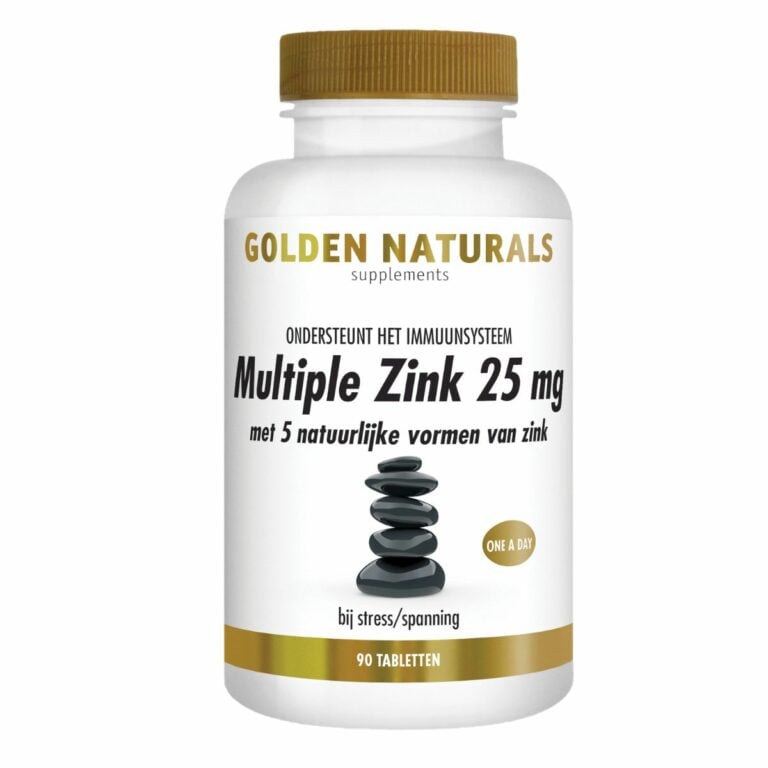
Golden Naturals Multiple Zinc 25 mg
€16.95
€16,10
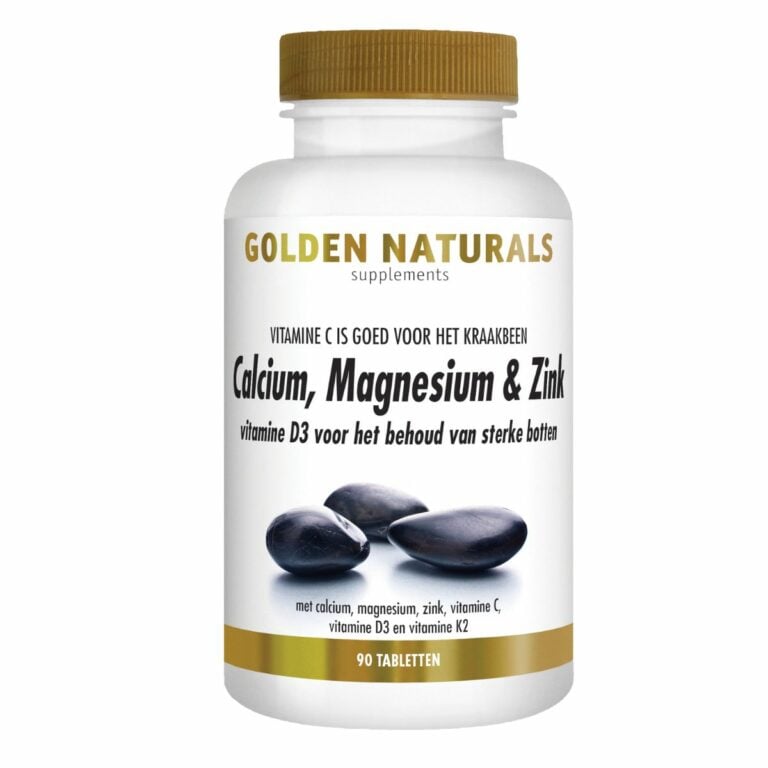
Golden Naturals Calcium, Magnesium Zinc
€15.95
€15,15
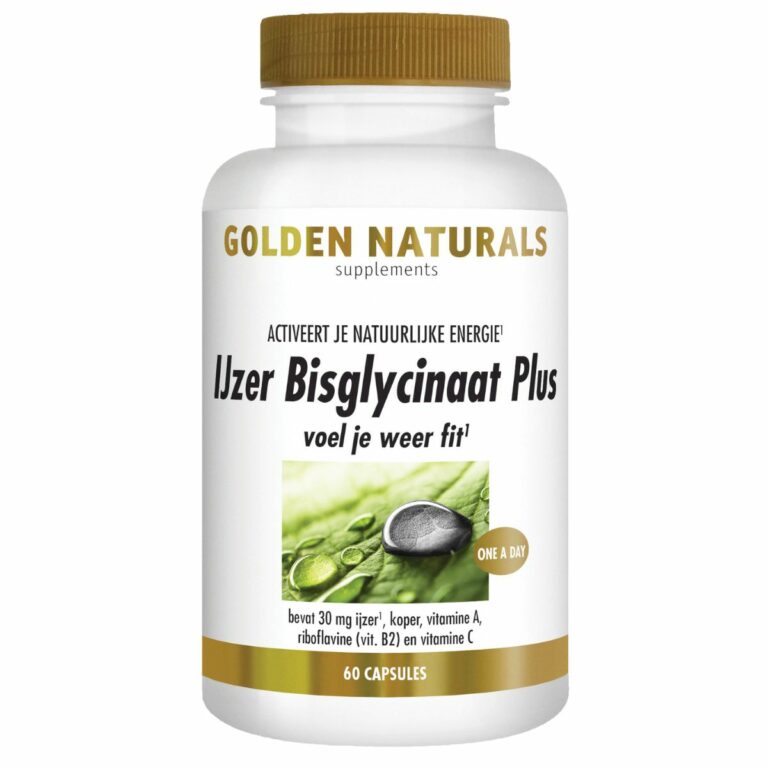
Golden Naturals Iron Bisglycinate Plus
€16.95
€16,10
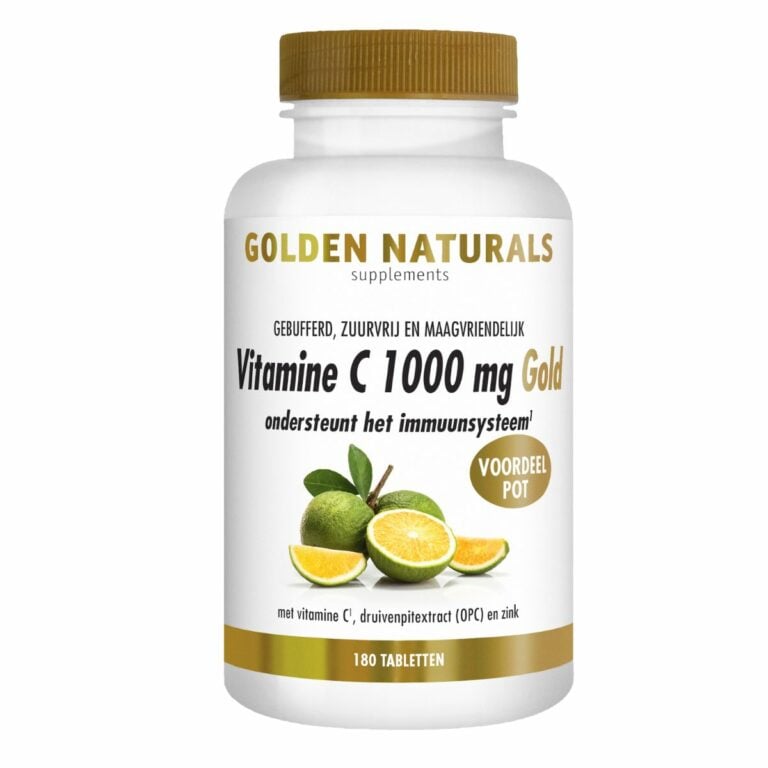
Golden Naturals Vitamin C 1000 mg Gold
€49.95
€47,45
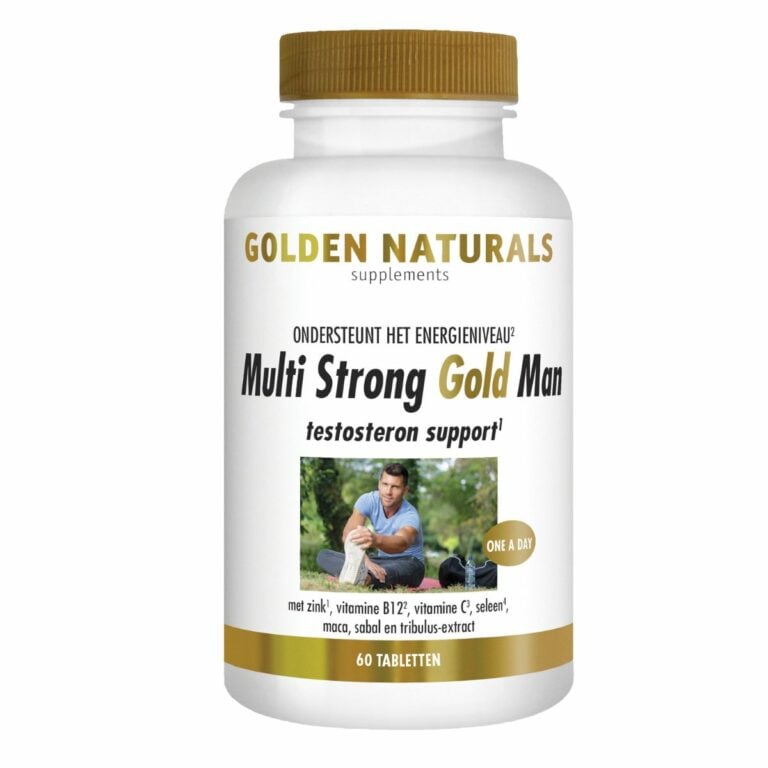
Golden Naturals Multi Man
€38.95
€37,00
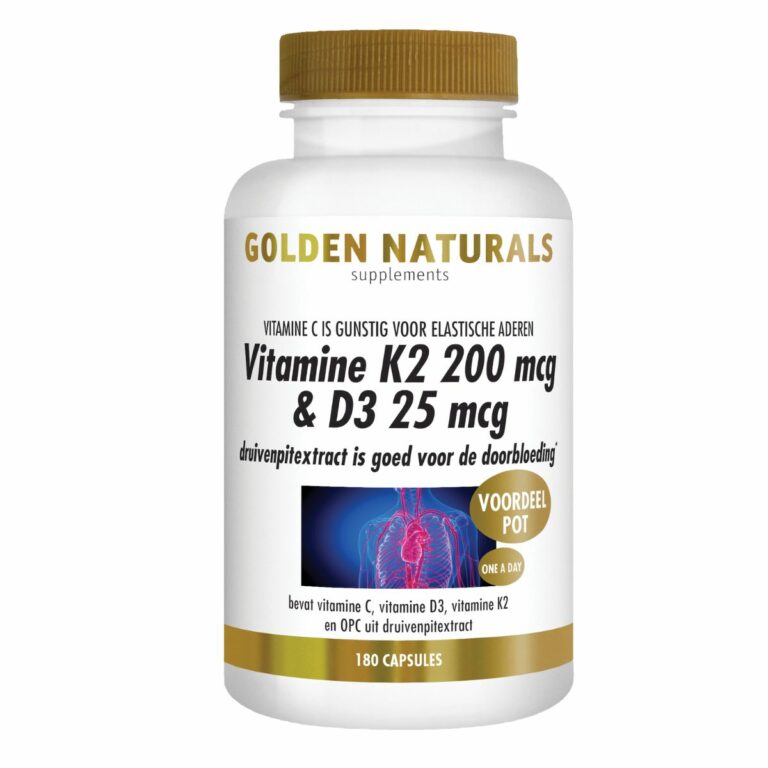
Golden Naturals Vitamin K2 and D3
€69.90
€66,41
Vitamin C (Ascorbic Acid)
Alcohol can deplete vitamin C stores, resulting in:
- Fatigue
- Muscle weakness
- Slow wound healing
- Bruises
- Susceptibility to infections
- Severe cases: Scurvy (bleeding, tooth loss, painful joints)
Vitamin D
Alcohol consumption affects the liver, which is necessary for the activation of vitamin D. This can lead to:
- Weak or painful bones
- Increased risk of bone fractures (osteoporosis)
- Muscle weakness
- Increased susceptibility to infections
- Depressive feelings
Vitamin E
Chronic alcohol consumption can lead to reduced absorption of fat-soluble vitamins such as vitamin E, which can cause:
- Muscle weakness
- Problems with coordination and balance (ataxia)
- Visual disturbances
- Reduced immune system
Vitamin K
Although less commonly mentioned, alcohol consumption can lead to vitamin K deficiency via liver damage, resulting in:
- Increased tendency to bruise
- Slowly clotting blood
- Bleeding gums or nosebleeds

Which mineral deficiencies can arise after drinking alcohol?
Magnesium
- Causes: Alcohol increases the excretion of magnesium through the urine.
- Consequences of deficiency:
- Muscle cramps and spasms
- Fatigue
- Irregular heartbeat (arrhythmias)
- Increased irritability or anxiety
- Loss of appetite and nausea
- Severe deficits: Tremors or seizures
Zinc
- Causes: Decreased absorption in the intestines and increased loss through urine.
- Consequences of deficiency:
- Impaired wound healing
- Weakened immune system
- Decreased sense of taste and smell
- Skin problems, such as dermatitis
- Hair loss
Potassium
- Causes: Alcohol causes dehydration and increases the loss of potassium through the kidneys.
- Consequences of deficiency:
- Muscle weakness or muscle cramps
- Irregular heartbeat
- Fatigue
- Digestive problems (such as constipation)
- Severe cases: Cardiac arrhythmias
Calcium
- Causes: Alcohol hinders the absorption of calcium in the intestines and increases its excretion through urine.
- Consequences of deficiency:
- Bone pain or weakness
- Increased risk of osteoporosis and bone fractures
- Muscle cramps or spasms
- Tingling in hands and feet
Sodium
- Causes: Loss through excessive urination or vomiting due to alcohol consumption.
- Consequences of deficiency:
- Nausea and headache
- Fatigue or confusion
- Muscle weakness
- Severe cases: Convulsions or coma
Phosphorus
- Causes: Alcohol disrupts the absorption of phosphorus, essential for energy production and bone health.
- Consequences of deficiency:
- Muscle weakness
- Bone pain or fragility
- Fatigue and breathing problems
- In case of serious deficiencies: Confusion or muscle breakdown
Selenium
- Causes: Poor nutrition in combination with alcohol consumption can lead to a deficiency.
- Consequences of deficiency:
- Reduced resistance to infections
- Weak muscles or muscle pain
- Hair loss
- Reduced fertility in men
Iron
- Causes: Alcohol damages the stomach lining, which can reduce the absorption of iron. Iron can also be lost during bleeding due to alcohol-related stomach problems.
- Consequences of deficiency:
- Anemia (anemia)
- Fatigue
- Pale skin
- Shortness of breath
Diagnosis and assessment of vitamin deficiencies
To find out whether you have a vitamin deficiency, it is wise to have yourself examined by a doctor. They can perform blood tests to measure the amounts of different vitamins in your blood. Based on these tests, the doctor can determine whether you have deficiencies and how serious they are. Sometimes it is also necessary to perform additional examinations, such as a physical examination or a scan of your organs.
The doctor will then assess the cause of your vitamin deficiencies and how you can best tackle them. It is often necessary to adjust your diet and take supplements to supplement the deficiencies.
Foods rich in essential vitamins
To prevent or remedy vitamin deficiencies, it is good to adjust your diet. There are many foods rich in the essential vitamins you need. Good sources of vitamin B1 include whole grain products, nuts, legumes and meat. For vitamin B6 you can go to fish, meat, potatoes and bananas. Vitamin B12 is mainly found in animal products such as meat, fish, eggs and dairy.
Folic acid is found in leafy vegetables, citrus fruits, legumes and whole grain products. And for vitamin C, citrus fruits, peppers, strawberries and broccoli are excellent choices. By eating these foods regularly, you can replenish the deficiencies of these important vitamins. This is especially important if you drink a lot of alcohol, because alcohol can reduce the absorption and availability of these vitamins. A lot of alcohol is defined here as more than 1 glass per day!
Supplements to supplement the diet
In addition to adjusting your diet, vitamin supplements can also help to supplement deficiencies. There are different types of supplements available, such as tablets, capsules or drinks.Some supplements contain one specific vitamin, while others contain multiple vitamins and minerals. The choice depends on the deficiencies you have and what your doctor advises.
It is wise to always take supplements according to the instructions and not to overdose. Too much of certain vitamins can also be harmful to your health. Therefore, always consult with your doctor about the use of supplements. Supplements can be a valuable addition to your diet, but cannot completely replace a healthy lifestyle. So continue to pay attention to a balanced diet and reducing alcohol consumption.
Definitions of excessive alcohol consumption
Binge drinking:
- Drinking a large amount of alcohol in a short period of time, leading to high blood alcohol levels.
- Definitions:
- For women: ≥4 standard drinks of alcohol within 2 hours.
- For men: ≥5 standard drinks of alcohol within 2 hours.
- Consequence: Loss of control, intoxication, increased risk of accidents and alcohol poisoning.
Drinking excessively on a regular basis:
- Consistently drinking more than the recommended limits for healthy alcohol consumption.
- Recommended limits according to the Healthy Eating Guidelines (Nutrition Center, Netherlands):
- For men and women: Maximum 1 standard glass of alcohol per day.
- Ideally: No alcohol.
- Excessive consumption:
- >7 standard glasses per week.
Health organization guidelines and recommendations
WHO (World Health Organization):
- Alcohol consumption is not completely safe at any amount
- Limit consumption to one minimum quantity, or avoid alcohol completely.
The WHO states that there is no safe amount of alcohol consumption that does not affect health. They therefore recommend limiting alcohol consumption to a minimum amount or avoiding it completely.
Lifestyle changes for a healthier recovery
To correct vitamin deficiencies due to alcohol consumption, it is good to adjust your lifestyle. The most important step is to reduce or stop your alcohol consumption.
Alcohol has a major influence on the absorption and availability of essential vitamins in your body. By drinking less or no alcohol, you can replenish the deficiencies more quickly and improve your health.
In addition, it is important to ensure a varied and nutritious diet. Eat enough vegetables, fruit, whole grain products, legumes, fish and low-fat dairy to maintain your vitamin supply.
Other lifestyle factors, such as sufficient sleep, exercise and stress management, can also contribute to recovery from vitamin deficiencies. By improving your overall health, you can better cope with the negative effects of alcohol consumption.
It's a process that takes time and patience, but is worth it for your overall well-being. Be guided by your doctor and ensure a healthy lifestyle to effectively tackle vitamin deficiencies due to alcohol consumption.
When is medical help needed for vitamin deficiencies?
In most cases, you can tackle vitamin deficiencies due to alcohol consumption yourself by changing your lifestyle. However, it may sometimes be necessary to seek medical attention.
If you experience serious symptoms, such as confusion, memory problems, heart problems or severe fatigue, it is advisable to contact your doctor quickly. These may be signs of a serious vitamin deficiency that requires medical treatment.
Even if you are unable to adjust your diet or alcohol consumption yourself, professional help may be necessary. Your doctor can then make the correct diagnosis, determine the cause of the deficiencies and prescribe appropriate treatment.
In some cases it is necessary to treat vitamin deficiencies with injections or high doses of supplements. This especially happens in the case of serious deficiencies or if your body cannot absorb enough vitamins from food.
So always have yourself thoroughly examined by your doctor, especially if you drink a lot of alcohol. They can help you tackle vitamin deficiencies quickly and effectively and prevent worsening.
FAQs
What are the symptoms of vitamin deficiency due to alcohol?
Symptoms of vitamin deficiency due to alcohol can include fatigue, muscle weakness, memory problems, tingling in the hands and feet, and a weakened immune system.
Which vitamins are most affected by excessive alcohol consumption?
Excessive alcohol consumption can lead to a deficiency of vitamin B1 (thiamine), vitamin B6 (pyridoxine), vitamin B12 (cobalamin), vitamin A, vitamin D, and folic acid.
How can a vitamin deficiency due to alcohol be treated?
A vitamin deficiency due to alcohol can be treated by adjusting the diet and taking vitamin supplements. In severe cases, medical intervention may be necessary.
Are there foods that can help recover from a vitamin deficiency due to alcohol?
Foods rich in vitamins, such as green leafy vegetables, nuts, seeds, eggs, fish, and lean meats, can help recover from a vitamin deficiency caused by alcohol.
How long does it take for the body to recover from a vitamin deficiency caused by alcohol?
Recovery from a vitamin deficiency due to alcohol can vary depending on the severity of the deficiency and individual health status. In some cases it can take weeks to months for the body to fully recover.
Sources used for this article
Information center for nutritional supplements & health
Infonu
Alcohol info