

Creaking joints caused by vitamin deficiency
There may be a vitamin or nutrient deficiency that contributes to the problem of creaking joints.
Which vitamins can support creaky joints?
- Vitamin DDeficiency can lead to reduced absorption of calcium and phosphorus, which can lead to weakened bones and joints. One of the latest discoveries is that joint pain, muscle weakness and even muscle cramps are often among the first signs of a vitamin D deficiency. This is not just about the muscles in our arms and legs, but can also involve vital muscles such as the heart. People who suffer from a vitamin D deficiency may notice that their joints begin to creak and they feel weaker than normal. These discomforts can often be overlooked or misattributed to other causes, meaning the importance of adequate vitamin D intake is often underestimated.
- When our body has too little Vitamin C different signs may manifest themselves. One of these is fatigue, a common symptom that is often ignored or attributed to other factors. A vitamin C deficiency can also lead to muscle weakness, which translates into feelings of reduced strength and difficulty performing daily activities. In addition, joint and muscle pain may occur due to the influence of vitamin C on the connective tissue. The link between a Vitamin C deficiency and joint and muscle discomfort may be due to too little Vitamin C. This vitamin helps maintain collagen, a protein essential for the health of joint and connective tissues. A vitamin C deficiency can disrupt collagen synthesis, which can lead to reduced elasticity of cartilage and weakened joint structures. This can result in pain, stiffness and a creaking sensation with movement.
- Omega-3 is not a vitamin but creaking joints can be linked to inflammatory reactions in the body. Omega-3 fatty acids, especially EPA and DHA, are known for their anti-inflammatory properties. They can help reduce the production of pro-inflammatory substances while promoting the production of anti-inflammatory substances. This can result in a decrease in discomfort and creaking joints, and contribute to an overall feeling of freedom of movement.
Magnesium is involved in muscle and nerve function, so a deficiency can affect coordination of movements and muscle tone, potentially affecting the sounds joints make during movement.
- Zinc plays a role in joint and bone health, albeit indirectly. Zinc is an essential mineral involved in various enzymatic reactions in the body, including the growth, repair and maintenance of tissues, bones and joints.
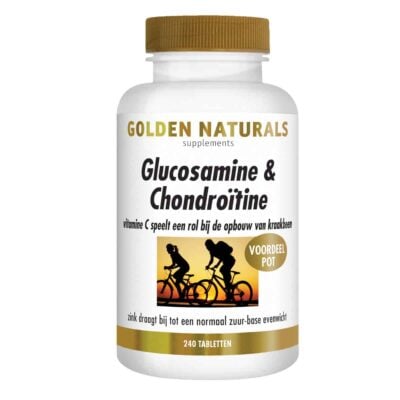
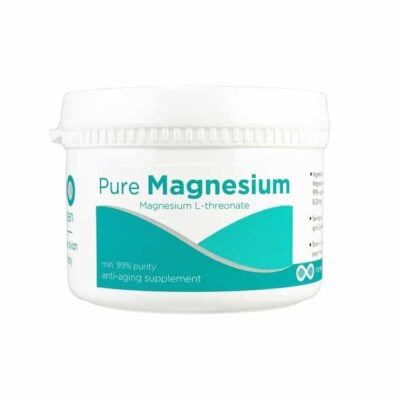
Our top 3 supplements against creaking joints due to vitamin deficiency

6 Other possible causes of creaking joints
Vitamin and nutrient deficiencies are not always the only cause of creaky joints. Other factors, such as changes in joint cartilage, movement patterns, excessive strain or underlying medical conditions, may also play a role. The phenomenon of creaking joints, also known as crepitus, is something that many people experience and often raises concerns. The causes of this phenomenon can vary and are not always a cause for concern.
Creaking joints stress
Stress can also be a possible cause. Long-term exposure to stress is especially bad for your joints. Are you tensing your shoulders right now? Or do you squeeze your hands? Do you feel a knot in your neck? It should not come as a surprise if you experience stress or are under high workload. According to a recent study, this has direct consequences for your body, which is reflected in physical complaints
Release of gas bubbles from the joint fluid
One possible cause of creaking joints is the release of gas bubbles from the synovial fluid, resulting in an audible sound during movement. These bubbles usually occur due to rapid movement or stretching of a joint after a period of inactivity, such as when someone gets out of bed after a night's sleep.
Changes in the articular cartilage
Another cause of creaking joints may lie in: changes in the articular cartilage. Over time, the cartilage can wear or thin, leading to a rougher surface. This can result in friction and noise when the joint moves. Also, tendons and muscles that run over the joints can sometimes rub over protruding structures, which can produce a sound similar to cracking.
Being inactive is bad for joints
When you during inactive for a long time you, joints can become stiff and the synovial fluid can thicken. This can lead to an increase in the cracking sound when you move because the joint fluid may not lubricate as smoothly as normal. When you move again, the change in pressure within the joint can lead to the release of gas bubbles from the fluid, causing the cracking sound.
Poor muscle support around the joints
In addition, too little exercise can lead to muscle weakness and poor muscle support around the joints. This can change movement patterns and place additional stress on the joints, which can increase squatting. It is therefore important to exercise regularly and in moderation to keep the joints flexible and to strengthen the muscles that support the joint. Recent research shows that strong calf muscles are important for supporting your joints and also have a preventive effect on cardiovascular disease.
Joint inflammation
However, for some people, creaking joints can indicate underlying health problems. For example, joint inflammation such as arthritis can lead to changes in the articular cartilage and surrounding tissues, which can result in crepitus. Conditions such as ligament injuries, meniscus problems or tendonitis can also cause cracking sounds during movement.

Creaking joints due to vitamin deficiency are often not painful
Creaking joints are generally not painful. However, if the cracking is accompanied by pain, swelling, limited movement or other symptoms, it is advisable to seek medical advice. A medical professional can assess the cause of the cracking, identify any underlying problems, and make recommendations for treatment or relief of symptoms. In general, occasional cracking sounds are normal and harmless, but if complaints persist or worsen, it is always wise to seek professional advice.